Category: Global Politics

How the West and the wider world shape, and are shaped by, Africa and the Global South.

  • Justice and Power: The Democratic Norms Question That Hung Over the Vote

    Justice and Power: The Democratic Norms Question That Hung Over the Vote

    America After the Midterms, Part 6 of 10.

    In the AP VoteCast survey, 32 per cent of voters named the state of democracy as the most important issue facing the country, second only to the economy. That is a remarkable number for an established democracy. To understand it, we have to look at how the Trump administration has used the machinery of law enforcement.

    A norm that was broken

    After the Watergate scandal of the 1970s, the US Justice Department built a tradition of independence from the White House. Under it, prosecutors avoid politically sensitive actions close to an election so as not to influence the vote. The Justice Manual says the department’s powers must be used free from partisan consideration.

    In the weeks before the midterms, Axios reported that the department “barrels into midterms with lawsuits, raids and arrests”. The Associated Press described a blitz of politically sensitive cases. These included investigations of prominent Democrats, actions on alleged election fraud, and cases against former officials Trump has long accused of wrongdoing. The non-partisan group States United reported that in the first year of the second term the department opened criminal investigations into the chair of the Federal Reserve, members of Congress and former Trump officials.

    The administration’s case

    The administration and its supporters reject the charge of political targeting. The department has said it is “following the facts and the law, not anyone’s political timetable.” It argues that the earlier prosecutions of Trump himself were the real weaponisation of justice, and that it is now holding people to account who were previously protected. Trump’s supporters applaud Attorney General Todd Blanche for, in their view, cleaning up a corrupted institution.

    Readers should weigh these claims against the evidence. Several of the department’s cases have run into trouble before grand juries and judges. Even the conservative Washington Examiner has warned that politicised cases built on weak legal foundations risk undermining public faith in the department.

    After the vote

    The post-election tone has not softened. PBS NewsHour reported that the President called Democratic requests for information “extortion at the highest level”. The Attorney General said criminal investigations of Democrats are possible. Incoming House Oversight chair Robert Garcia, for his part, has publicly told administration officials to “lawyer up”.

    When both sides talk about the other in criminal terms, a democracy is in a dangerous place. Oversight by an elected legislature is a normal and healthy check on power. Threatening to prosecute legislators for carrying out oversight is not.

    The principle at stake

    The test of a democratic justice system is simple: would the same action be taken if the target were an ally rather than an opponent? Critics such as The Nation argue that the record shows almost no federal investigations of Republican lawmakers or allies during this term. Supporters respond that wrongdoing is wrongdoing, whoever commits it.

    For readers in Zimbabwe and across Africa, this debate will sound familiar. We have watched governments use police, prosecutors and courts against opponents while protecting their own. The American experience shows that no democracy is immune. Institutions survive only when officials refuse to bend them and citizens refuse to accept it. On 3 November, a third of American voters said they were watching.
  • Power of the Purse: What a Democratic Congress Can, and Cannot, Do

    Power of the Purse: What a Democratic Congress Can, and Cannot, Do

    America After the Midterms, Part 7 of 10.

    When the new Congress is sworn in on 3 January 2027, Democrats will set the agenda in both chambers. Their leaders have made big promises. But the American system is designed to make change hard, and voters should understand what the new majorities can actually deliver.

    The promises

    House Democratic leader Hakeem Jeffries, expected to become Speaker, has listed ending the Iran war, stopping the tariffs, reversing Medicaid cuts and restoring Affordable Care Act subsidies as early priorities. Senate leader Chuck Schumer has said Democrats will “end the war” and entangle the President in “legislative razor wire” whenever he defies the law or the public. Party leaders have also promised guardrails on artificial intelligence and data centres.

    The obstacles

    The veto. On election night the President posted an image of a red hat bearing one word: “VETO”. Overriding a veto requires two-thirds of both chambers, and Democrats will not have that. Any bill to end the war or repeal tariffs is likely to be vetoed.

    The Senate filibuster. Most legislation needs 60 votes in the Senate to proceed. Unless Democrats change the rules, Republicans can block much of their agenda.

    Executive power over trade and war. Many tariffs were imposed using emergency and trade powers that Congress delegated to the President years ago. Taking those powers back also requires legislation the President can veto.

    The real tools

    That does not leave Congress powerless. As the legal journal Just Security explains, the new majority will:

    • Control spending. Congress writes the appropriations bills. Democrats have shifted their language from war powers to the power of the purse. Schumer has invoked it explicitly. In practice, Congress can refuse to fund military operations, though a funding standoff risks a government shutdown.
    • Set the agenda. Majorities decide which bills reach the floor, forcing Republicans to vote on popular measures such as health subsidies.
    • Confirm or stall nominees. The Senate can block judges, ambassadors and cabinet appointments.
    • Review arms sales. Congress can scrutinise and delay weapons transfers.
    • Investigate. Committees can issue subpoenas and hold public hearings, which we discuss in Part 8.

    The risk of overreach

    Divided government can produce compromise or paralysis. If Democrats spend two years only on confrontation, voters may blame them for gridlock, as happened to Republicans after 1995 and Democrats after 2019. If they deliver visible results on costs, they will strengthen their hand for 2028. Schumer’s own logic is that even vetoed bills will show voters where each party stands.

    Checks and balances

    This is the American constitution working as its framers intended: no branch can rule alone. Africans who have lived under executive presidencies with captured parliaments will recognise the value of a legislature that can say no. The 2026 result does not remove presidential power, but it restores a counterweight that had been missing for two years. That is worth noting by those of us who want stronger, more independent parliaments at home.

  • Oversight or Overreach? Investigations, Impeachment and the Next Two Years

    Oversight or Overreach? Investigations, Impeachment and the Next Two Years

    America After the Midterms, Part 8 of 10.

    Within hours of the result, the man expected to chair the House Oversight Committee, Representative Robert Garcia, posted a two-word message aimed at the administration: “LAWYER UP.” The President replied that the Democrats’ requests amounted to extortion. The next two years will be defined in part by this collision.

    What Democrats plan to investigate

    Reporting by Reuters, The Daily Signal, Business Standard and others suggests the investigations will focus on:

    • Family finances. Whether the President’s relatives, including his sons and son-in-law Jared Kushner, profited from government decisions, including in cryptocurrency and Pentagon contracting.
    • The Qatari aircraft. The roughly 400-million-dollar jet given by Qatar for use as Air Force One.
    • The White House ballroom project and how it was funded.
    • The Epstein files and the administration’s handling of them.
    • Homeland Security conduct in immigration enforcement. Notably, 58 per cent of voters told exit pollsters that enforcement had gone too far.
    • The decision-making behind the Iran war.

    All of these allegations are, for now, unproven. Investigations exist to test them. The administration denies wrongdoing and calls the inquiries politically motivated.

    The impeachment question

    Donald Trump was impeached twice in his first term and acquitted by the Senate both times. Some progressive Democrats want a third impeachment, citing the Venezuela and Iran operations and the use of the Justice Department against opponents. Some House Democrats have also backed impeachment efforts against members of the cabinet.

    The party leadership is cautious. Reuters reported in August that Democrats planned to prioritise investigations over impeachment, building a body of evidence first. Hakeem Jeffries did not promise impeachment during the campaign, though he did not rule it out.

    The arithmetic matters. The House can impeach with a simple majority. But removal from office requires two-thirds of the Senate, and Democrats are far short of that. An impeachment without removal could energise Republican voters and allow the President to claim persecution, as he has done before.

    Legitimate oversight or political revenge?

    Republicans warn that Democrats will use their power to harass the President rather than to govern. Democrats reply that oversight is a constitutional duty, especially after two years in which, they argue, a Republican Congress declined to scrutinise the executive.

    The fairest test is whether the investigations follow evidence and are conducted openly, with documents, sworn testimony and due process. Investigations that produce facts strengthen democracy. Investigations designed only for headlines weaken it, whichever party runs them.

    The danger of mutual escalation

    The greatest risk is a cycle in which Congress investigates the executive and the executive answers by prosecuting legislators. The President has called Democratic inquiries extortion, and his Attorney General has said investigations of Democrats are possible. If that cycle takes hold, the damage to American institutions could outlast this administration. Accountability must flow through law, not retaliation.

  • After Trump: The Battle for the Republican Party’s Future

    After Trump: The Battle for the Republican Party’s Future

    America After the Midterms, Part 9 of 10.

    Donald Trump cannot run for president again. The 22nd Amendment to the US Constitution limits a president to two elected terms. The President has at times flirted with the idea of a third term, but he later backed away, saying he would be comfortable going into history as an “eight-year president”. The midterm defeat has turned the question of succession from a quiet calculation into an open contest.

    Three explanations, three candidates

    According to CNBC, the leading contenders are already competing to explain the defeat:

    • Vice President JD Vance has pointed to the Iran war as the main reason Republicans lost. This puts distance between himself and the decision without attacking the President.
    • Secretary of State Marco Rubio has defended the decision to strike Iran, positioning himself as the loyal guardian of the President’s foreign policy.
    • Florida Governor Ron DeSantis argues that Republicans fought the wrong political battles.

    Before the midterms, Vance was widely seen as the natural heir. CNN quoted a veteran New Hampshire Republican operative saying that the idea of Vance as a third Trump term now looks “problematic”. The Hill reported growing interest in Rubio. Rubio has said he would not run if Vance does. Nikki Haley has ruled herself out.

    The President’s choice

    Trump has kept his potential successors guessing. He has praised both men and floated the idea of a Vance-Rubio ticket. Fox News reported he told donors that “we need to elect JD.” By declining to anoint anyone, he keeps the party’s attention on himself, a familiar pattern from his career.

    The lame-duck problem

    A president in his final two years, facing a hostile Congress and approval in the low thirties, usually loses influence quickly. Members of Congress start looking to the next leader. Donors hedge their bets. Foreign governments wait out the clock.

    Trump may defy that pattern. He still commands the loyalty of most Republican voters, and his endorsement can still decide primaries. But the softening of strong approval among his own supporters, discussed in Part 5, suggests his grip is weaker than it was.

    What is likely to happen

    Without predicting the future, several things seem probable:

    1. More executive action. With legislation blocked, presidents usually rely on executive orders, emergency powers and foreign policy, where Congress has the least control.
    2. Constant legal and political conflict with the new Congress, through investigations, vetoes, court battles and funding fights.
    3. A struggle over the party’s identity between those who want to keep Trump’s nationalist, tariff-driven, interventionist turn and those who want a return to restraint, or to more traditional conservatism.

    The judgment of history

    Supporters will remember a president who secured the border, reduced crime and challenged an establishment they distrusted. Critics will remember unauthorised wars, tariffs that raised prices, and pressure on independent institutions. The midterms show that, for now, a clear majority of Americans lean towards the second judgment. But history is long, and the final two years of a presidency can change a legacy.

    A Pan-African observation

    Constitutional term limits are not a formality. They are what force a movement to think about life after its founder. The 22nd Amendment means America will have a new president in January 2029, whatever happens. Those of us watching leaders across Africa use parliaments and amendments to extend their stay should notice how much stability a firm, respected term limit provides.

  • What America’s Midterms Mean for Africa

    What America’s Midterms Mean for Africa

    America After the Midterms, Part 10 of 10.

    The day before Americans voted, Washington delivered another blow to Africa’s largest economy. On 2 November, the Office of the US Trade Representative announced that South Africa and Rwanda would lose their eligibility for the African Growth and Opportunity Act (AGOA) from 1 January 2027. AGOA is the US law that gives sub-Saharan African countries duty-free access to the American market.

    Days later, Democrats won control of Congress. Many in Pretoria and across the continent hoped this would mean relief. The analysts are cautious.

    Why relief will be slow

    As Business Day and Briefly News reported, analysts warn that the Democratic victory will not quickly change US policy towards South Africa. Trade and foreign policy remain largely in the President’s hands, and he still holds the veto. One analyst told Business Day that South Africa is unlikely to be on Congress’s agenda for now. Washington’s attention will be absorbed by the Iran war, tariffs, healthcare and investigations.

    The Trump administration gave its reasons in a letter to President Cyril Ramaphosa: concerns about bribery and corruption, tariff and non-tariff barriers against US goods, and international security concerns. Critics, including a group of US experts quoted by Daily Maverick, argue the decision put political spectacle ahead of US strategic interests and risks handing China an advantage.

    What is at stake

    Reuters reported that South Africa exported about 1.7 billion dollars of goods under AGOA in 2025. Trade Minister Parks Tau has stressed that AGOA, while important, is not the whole economic relationship. Exports under AGOA are a small share of South Africa’s total trade, but they matter greatly to particular industries, such as vehicles, citrus and wine, and to the workers who depend on them.

    Beyond South Africa, the continent has also felt the impact of the President’s sweeping tariffs, the cuts to development assistance, and the Iran war’s effect on fuel and food prices.

    Where the new Congress could help

    There are openings. Africa Briefing argues the result gives African governments a diplomatic opportunity. Congress controls the budget for foreign aid and can protect programmes such as health funding. It can hold hearings on trade policy, and it will shape any future renewal of AGOA itself. Ramaphosa welcomed the results. South Africa is also pursuing direct bilateral trade arrangements.

    The Pan-African lesson

    The deeper lesson is uncomfortable. For 25 years AGOA has been a preference granted by Washington, and it can be withdrawn by Washington. Africa’s prosperity cannot depend on the mood of one American president or the outcome of one American election.

    Africa needs three things: to make the African Continental Free Trade Area work so that African countries trade more with each other; to bargain together with outside powers rather than one country at a time; and to diversify its partners, including the Gulf, Asia, Europe and Latin America, without simply swapping one dependency for another.

    The American midterms show the strength of a democracy that can check its own leaders. Africa’s answer should be to build democracies and economies strong enough that our future is decided in Abuja, Accra, Harare, Nairobi and Pretoria, not in Washington.

    This concludes our ten-part series, America After the Midterms. We welcome your comments and corrections.

  • UN General Assembly Takes a Stand for Peace in Israel-Gaza Conflict, Unveils Hypocrisy of US and UK

    UN General Assembly Takes a Stand for Peace in Israel-Gaza Conflict, Unveils Hypocrisy of US and UK


    In a significant step towards de-escalating the ongoing Israel-Gaza conflict, the United Nations General Assembly has adopted a non-binding resolution calling for an immediate humanitarian ceasefire. With an overwhelming majority of 153 member states voting in favour, this resolution highlights the global community’s desire for peace and stability in the region. However, the actions of the United States and the United Kingdom, who blocked previous peace initiatives, underscore their questionable stance on achieving a lasting and equitable settlement.

    The UN General Assembly’s Resolution:
    The adoption of the UN General Assembly’s resolution demanding an immediate ceasefire in Gaza is a significant milestone in the pursuit of peace. With an impressive majority supporting the resolution, it reflects the widespread international call for an end to the violence and the suffering endured by both Israelis and Palestinians. This resolution serves as a powerful testament to the prevailing international will to resolve the conflict and promote humanitarian relief.

    Hypocrisy of the United States and the United Kingdom:
    While the UN General Assembly’s resolution demonstrates a collective commitment to peace, the actions of the United States and the United Kingdom raise concerns about their true intentions. By consistently blocking previous peace initiatives, these nations have shown a concerning lack of support for a long-term and sustainable solution.

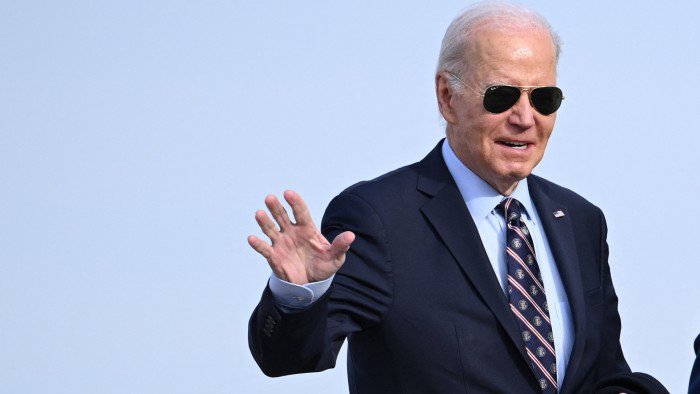
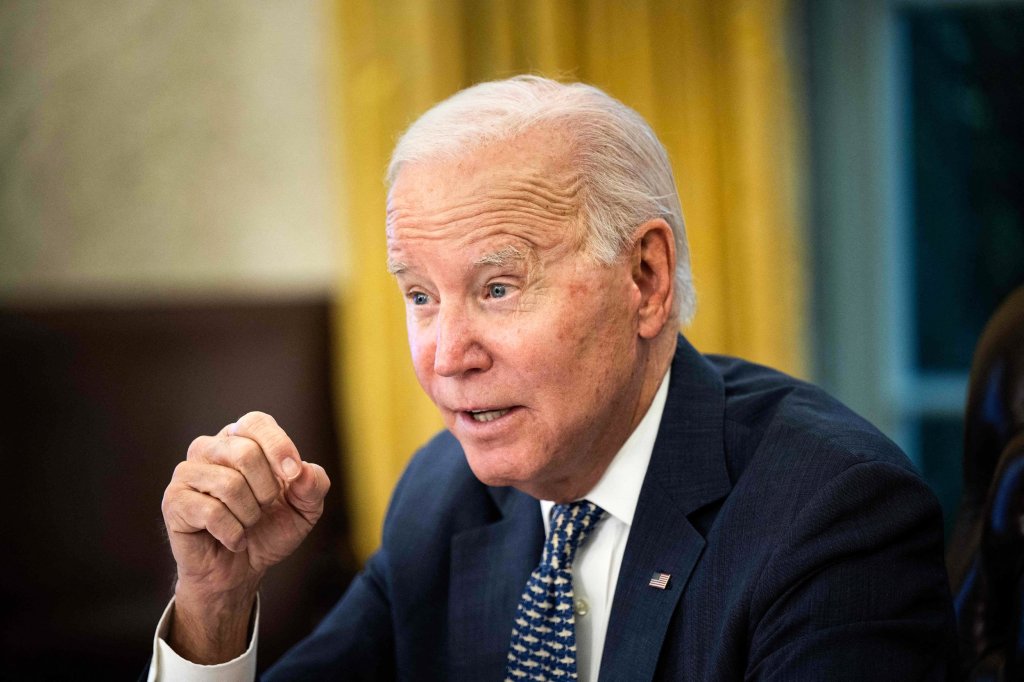
    The United States, a long-standing ally of Israel, had previously vetoed resolutions that aimed to address the Israel-Gaza conflict. However, even though the US voted against the recent resolution, President Joe Biden’s acknowledgment of Israel losing international support due to indiscriminate bombing suggests a growing recognition of the need for change. The US administration’s stance on the future of the Gaza Strip, particularly its skepticism towards a two-state solution, adds further complexity to the situation.

    Joe Biden

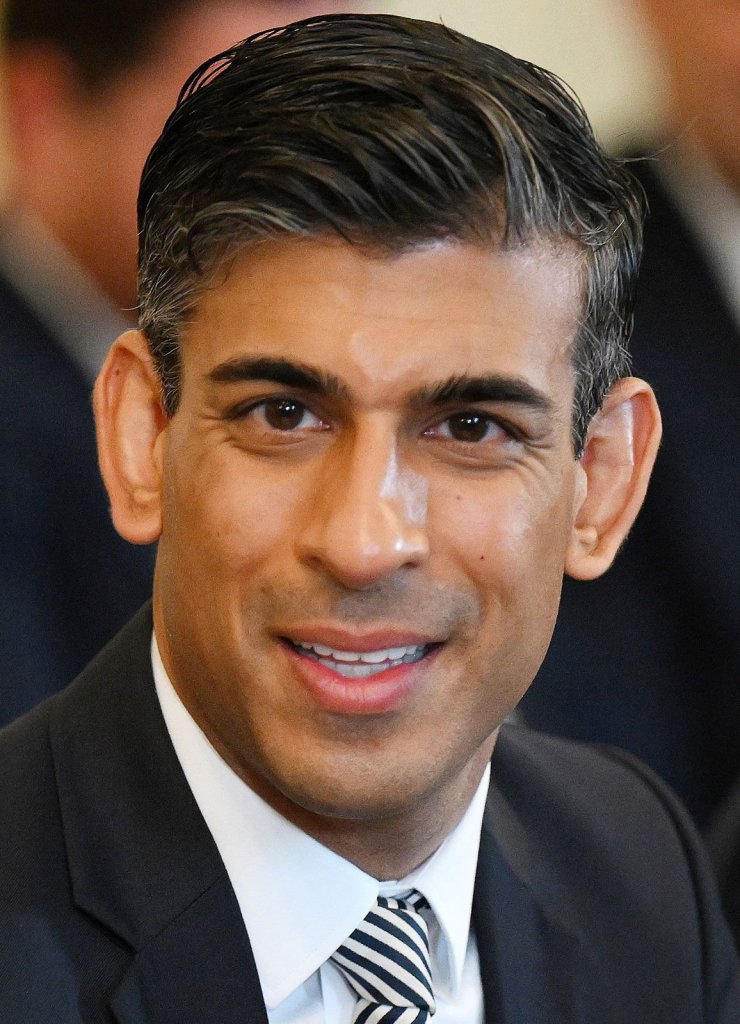
    Similarly, the United Kingdom’s actions in blocking previous peace efforts undermine its claims of being a proponent of peace and stability. As a permanent member of the UN Security Council, the UK’s veto power has hindered the adoption of crucial resolutions, preventing progress towards a comprehensive and lasting peace settlement. This raises questions about the alignment of their actions with their stated commitment to peace in the region.

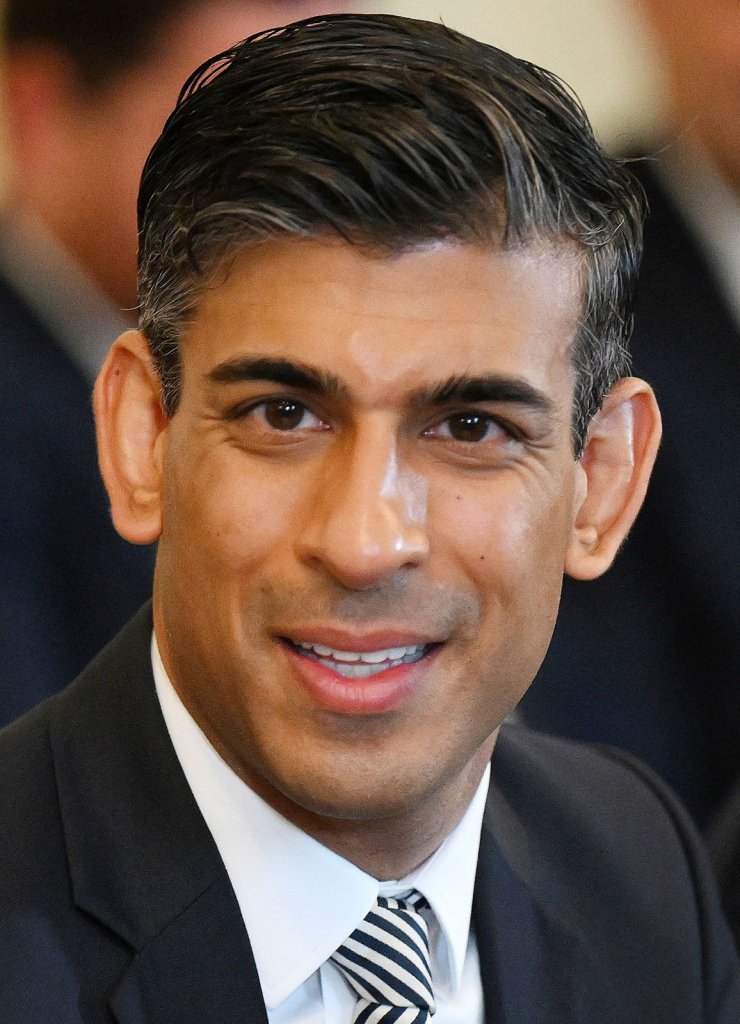
    Rishi Sunak

    The Importance of the UN General Assembly’s Resolution:
    Although non-binding, the UN General Assembly’s resolution carries substantial moral and political weight. It reflects the international community’s strong desire for an immediate cessation of violence and the establishment of a durable peace. By adopting this resolution, member states have sent a powerful message that the status quo is untenable and that all parties must work towards a just and equitable resolution.

    Netanyau


    The UN General Assembly’s adoption of a resolution demanding an immediate ceasefire in the Israel-Gaza conflict is a commendable step towards peace. However, the actions of the United States and the United Kingdom, who have previously blocked peace initiatives, highlight the need for a more consistent and unwavering commitment to finding a permanent solution. It is crucial for all stakeholders to recognize the urgency of the situation and work together to achieve a just and lasting peace that encompasses the aspirations of both Israelis and Palestinians. The international community must continue to support diplomatic efforts and hold all parties accountable to ensure that peace becomes a reality in the region.

  • Britain’s Abstention and America’s Opposition: A Betrayal of Peace and Prosperity

    Britain’s Abstention and America’s Opposition: A Betrayal of Peace and Prosperity


    In a situation where a win-win outcome was within reach, both Britain’s abstention from voting and America’s opposition have raised eyebrows and sparked concerns. This article aims to shed light on the manipulation and deceit within American and British foreign policies, which ultimately favor the continuation of bloodshed and hinder the prospects of peace. Not only do these actions perpetuate suffering abroad, but they also inflict economic hardships on American and British citizens, who bear the burden of funding foreign wars.

    British Prime Minister Rishi Sunak

    The Betrayal of Peace:
    By abstaining from the vote, Britain has missed an opportunity to play a constructive role in resolving a conflict that could have brought about a mutually beneficial resolution. This decision reflects a disheartening lack of commitment to peace and a failure to prioritize diplomacy. Instead of actively engaging in negotiations, Britain’s abstention sends a message that it is willing to perpetuate the cycle of violence, disregarding the immense human suffering and the long-term consequences of war.

    American Opposition and Deceit:
    America’s opposition to the vote further exacerbates the situation, raising questions about its true intentions in the global arena. While the United States has always championed democratic principles and human rights, its opposition in this scenario hints at ulterior motives. The American government’s actions seem to prioritize its own interests over the pursuit of peace, casting doubt on the sincerity of its foreign policy objectives.

    US President Joe Biden

    The Cost of Bloodshed:
    One of the gravest consequences of the manipulation and deceit within American and British foreign policies is the perpetuation of bloodshed. Countless lives have been lost, families torn apart, and communities devastated, all while the objectives of the conflict remain elusive. The continuation of war not only deepens the wounds of those directly affected but also fuels resentment and radicalization, which can have far-reaching implications for global stability.

    Economic Burden on Citizens:
    The economic toll of funding foreign wars weighs heavily on both American and British citizens. As financial resources are diverted toward military endeavors, domestic priorities such as healthcare, education, and infrastructure suffer. The rising cost of living further burdens individuals and families, making it harder for them to meet their basic needs and secure a decent standard of living. This economic strain creates a sense of injustice among citizens, who question why their hard-earned money is being spent on conflicts that seem distant and detached from their everyday lives.

    The Need for Change:
    The manipulation and deceit within American and British foreign policies have created a vicious cycle of violence, hindering the prospects of peace and prosperity. It is high time for a paradigm shift, where diplomacy, cooperation, and genuine commitment to resolving conflicts take precedence over self-interest. Governments must prioritize the well-being of their citizens and redirect resources towards building a more peaceful and equitable world.

    United Nations


    The abstention of Britain and the opposition of America in a situation where a win-win outcome was possible reflects a betrayal of peace and prosperity. The manipulation and deceit within their foreign policies perpetuate bloodshed, while burdening their own citizens with economic hardships. It is crucial for these nations to reassess their priorities, prioritize diplomacy, and work towards a future where peace prevails over conflict, and the well-being of their citizens is safeguarded.

  • Israel’s Actions Raise Concerns Over Peace Treaty Implementation

    Israel’s Actions Raise Concerns Over Peace Treaty Implementation

    The Israeli-Palestinian conflict has been a long-standing and complex issue, with numerous attempts at reaching a peaceful resolution. One significant step towards peace has been the signing of various peace agreements and treaties. However, recent events have raised concerns about Israel’s commitment to honoring the terms of the truce. In this article, we will examine the ongoing attacks by Israel and the implications they have on the peace process.

    A Fragile Peace:

    The signing of a peace treaty is a crucial milestone towards resolving any conflict. It represents a mutual agreement between parties to cease hostilities, promote dialogue, and work towards a peaceful coexistence. Sadly, the recent actions of Israel have put the peace treaty in jeopardy.

    Continued Attacks:

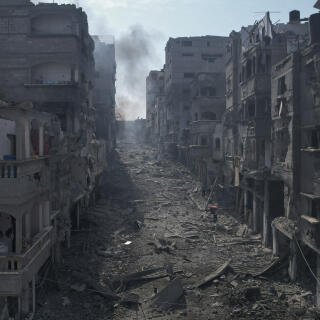
    Despite the existence of a truce, Israel’s military actions have continued to inflict significant damage on Palestine. The continued airstrikes, ground operations, and blockades have resulted in the loss of innocent lives, destruction of infrastructure, and immense suffering among the Palestinian population. Such actions not only violate the spirit of the peace treaty but also undermine the trust necessary for its successful implementation.

    Disregard for Humanitarian Concerns:

    One of the fundamental principles of any peace agreement is the respect for human rights and the protection of civilian lives. However, Israel’s ongoing assault on Palestine has raised serious concerns about the disregard for humanitarian considerations. Reports of excessive use of force, indiscriminate bombings, and the targeting of civilian infrastructure have drawn international condemnation.

    The Implications of Israel’s Actions:

    Israel’s failure to honor the terms of the truce has far-reaching implications. Firstly, it undermines the credibility of Israel as a partner for peace, eroding the trust necessary for any future negotiations. Secondly, it perpetuates a cycle of violence, further deepening the wounds of the conflict and making the prospects for a lasting peace even more elusive.

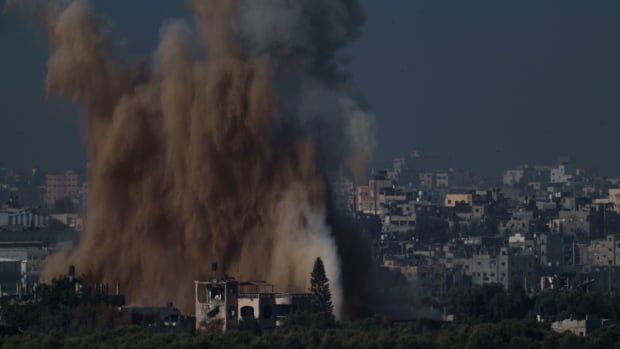
    Destroyed

    International Community’s Response:

    The international community has a crucial role to play in holding both parties accountable for their actions. It is essential for the international community to condemn Israel’s continued attacks on Palestine and exert diplomatic pressure to ensure the implementation of the peace treaty. Additionally, countries and international organizations should provide humanitarian aid to alleviate the suffering of the affected population.

    The ongoing attacks by Israel on Palestine raise serious concerns regarding the implementation of the peace treaty. It is imperative for Israel to honor its commitments and cease all hostilities, fostering an environment conducive to meaningful dialogue and lasting peace. The international community must play an active role in holding both parties accountable, working towards a just and sustainable resolution to the Israeli-Palestinian conflict. Only through genuine efforts and a commitment to peace can the cycle of violence be broken, and the aspirations of both Israelis and Palestinians for a secure and prosperous future be realized.

  • The Two-State Solution: A Path to Lasting Peace for Israel and Palestine

    The Two-State Solution: A Path to Lasting Peace for Israel and Palestine


    The Israeli-Palestinian conflict has persisted for decades, resulting in immense suffering and loss of life. Amidst the complex web of historical, political, and religious factors, the two-state solution has emerged as the most viable path towards a permanent and just peace. This article aims to emphasize the significance of the two-state solution, highlighting the insurmountable differences in ideology and religion that make the notion of a unified single country unattainable.

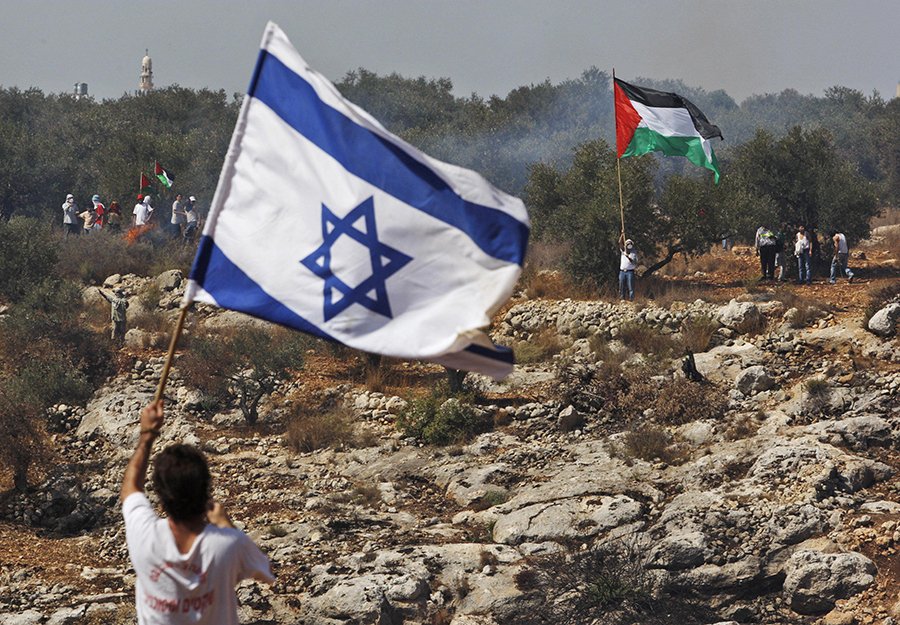
    Israel-Palestine War
    1. Recognizing Diverse National Aspirations:
      Israel and Palestine are distinct entities with diverging national aspirations. The two-state solution acknowledges and respects the right of both peoples to self-determination, allowing them to establish separate states that embody their respective identities, aspirations, and governing systems. It provides a framework for coexistence, fostering mutual recognition and respect.
    2. Addressing Irreconcilable Differences:
      The Israeli-Palestinian conflict is deeply rooted in differences of ideology, religion, and historical narratives. Attempting to merge these distinct identities into a single country would likely perpetuate conflict and exacerbate tensions. The two-state solution recognizes the need to accommodate these irreconcilable differences, allowing each side to govern itself according to its own values and beliefs.
    3. Ensuring Security and Stability:
      A two-state solution offers the best opportunity to ensure security and stability for both Israel and Palestine. By delineating clear borders and establishing independent states, it becomes possible to develop security arrangements that protect the rights and safety of each side. Separation helps minimize the potential for violence, allowing both nations to focus on building prosperous societies.
    4. Enhancing Economic Cooperation:
      A two-state solution enables enhanced economic cooperation between Israel and Palestine. With separate states, each entity can focus on developing its own economy, fostering trade relationships, and investing in infrastructure and human capital. This cooperation can lead to mutual benefits, reinforcing peace and stability in the region.
    5. International Consensus and Support:
      The two-state solution has garnered widespread international support and recognition as the most viable path to peace. Numerous United Nations resolutions, international peace initiatives, and diplomatic efforts have endorsed this framework. The international community stands ready to support the implementation of a two-state solution, providing the necessary assistance and guarantees to ensure its success.


    The two-state solution offers a realistic and pragmatic approach to resolving the Israeli-Palestinian conflict. It acknowledges the irreconcilable differences in ideology and religion, providing a framework for coexistence and mutual respect. By recognizing the right of both peoples to self-determination and establishing independent states, this solution paves the way for lasting peace, security, and prosperity in the region. It is imperative that all parties involved make genuine efforts to negotiate and implement a two-state solution for the benefit of present and future generations.

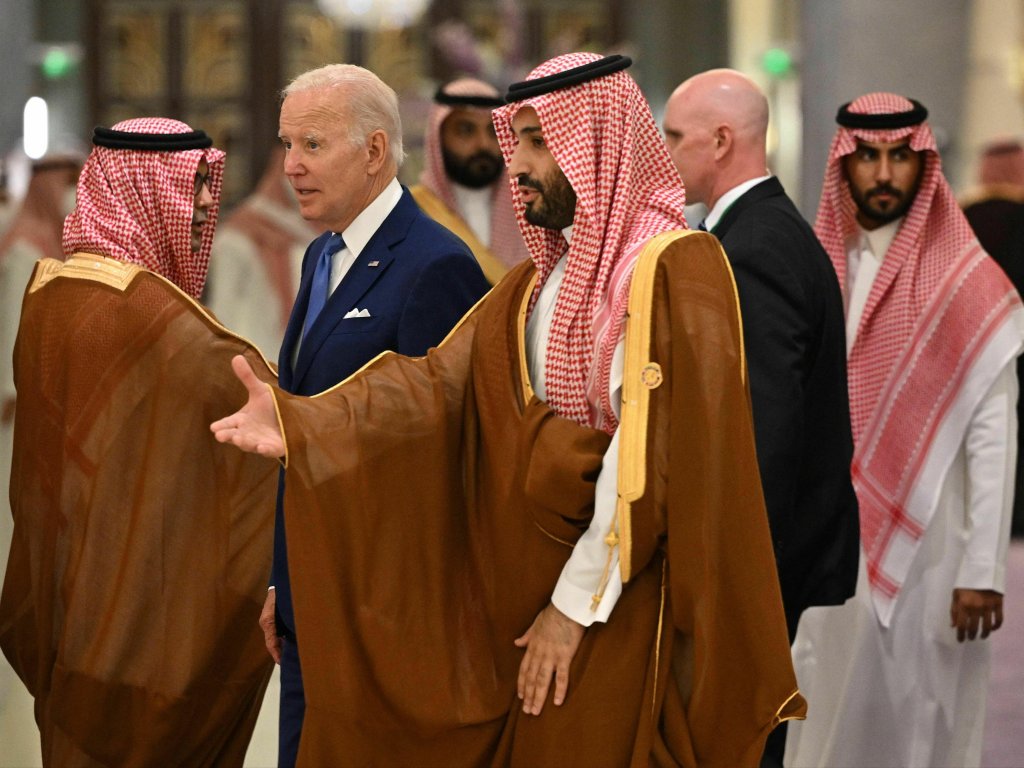
    President Joe Biden & Saudi Arabian Delegation
  • South Africa’s National Assembly Adopts EFF Motion Calling for Removal of Israel Embassy

    South Africa’s National Assembly Adopts EFF Motion Calling for Removal of Israel Embassy


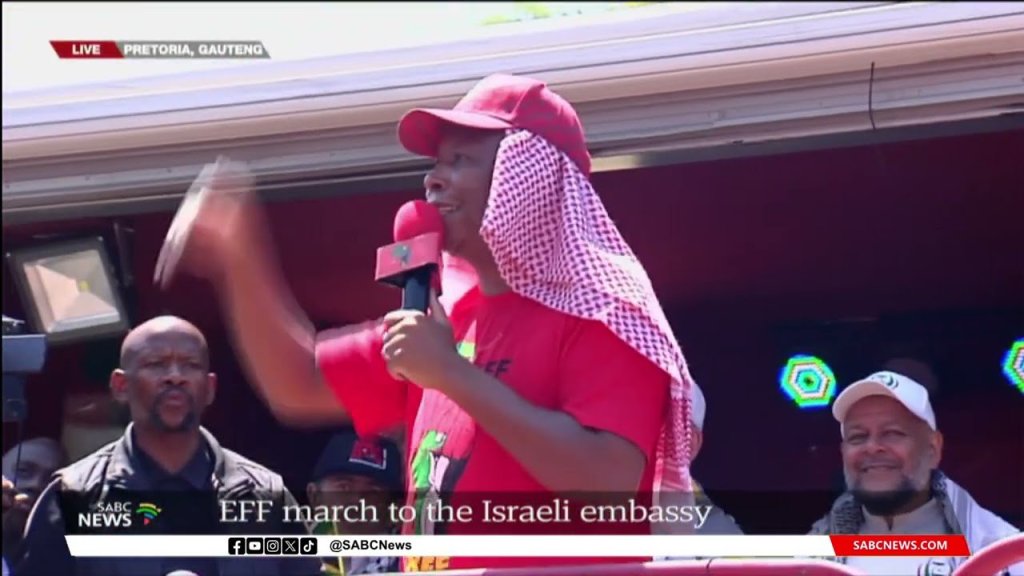
    In a significant development, the National Assembly of South Africa has adopted a motion put forward by Julius Malema, the leader of the Economic Freedom Fighters (EFF) party, calling for the removal of Israel’s embassy. This motion comes as a response to the ongoing aggression by Israel towards Palestine. The decision to adopt the motion demonstrates the maturation of South Africa’s democracy and emphasizes the importance of respecting the rights of Palestinians.

    Julias Malema

    Background:
    The motion put forward by Julius Malema highlights the deep concern among South African lawmakers regarding the actions of the Israeli government towards Palestine. The conflict between Israel and Palestine has been a longstanding issue, marked by violence and human rights violations. The adoption of this motion reflects South Africa’s commitment to standing in solidarity with the Palestinian people and condemning acts of aggression and oppression.

    ANC’s Acceptance of the Motion:
    The ruling African National Congress (ANC) party’s acceptance of the motion is a significant development. It signifies the party’s recognition of the need to address the ongoing crisis in the Middle East and support the rights of Palestinians. The ANC’s decision to adopt the motion demonstrates the party’s commitment to upholding democratic values and promoting justice on the global stage.

    Naledi Pandour

    Maturity of South Africa’s Democracy:
    The adoption of this motion is a clear indication that South Africa’s democracy has matured. It showcases the country’s commitment to engaging in discussions on important global issues and taking a stance on matters of human rights and international relations. By actively participating in this debate, South Africa is asserting its role as a responsible member of the international community.

    Respecting the Rights of Palestinians:
    The motion’s adoption emphasizes the importance of respecting the rights of Palestinians. It calls for the removal of Israel’s embassy as a symbolic gesture to express South Africa’s discontent with the actions of the Israeli government. By taking this step, South Africa aims to contribute to the international efforts aimed at achieving a peaceful resolution and justice for the Palestinian people.

    Israel Aggression


    The adoption of the EFF motion in the National Assembly of South Africa, calling for the removal of Israel’s embassy, highlights the country’s commitment to promoting justice and standing in solidarity with the Palestinian people. The decision by the ruling ANC party to accept the motion demonstrates the maturity of South Africa’s democracy and its willingness to engage in global affairs. This development sends a strong message about the importance of respecting human rights and advocating for peace and justice on the international stage.

Is this your new site? Log in to activate admin features and dismiss this message
Log In