Category: Global Politics

How the West and the wider world shape, and are shaped by, Africa and the Global South.

  • Britain’s Abstention and America’s Opposition: A Betrayal of Peace and Prosperity

    Britain’s Abstention and America’s Opposition: A Betrayal of Peace and Prosperity


    In a situation where a win-win outcome was within reach, both Britain’s abstention from voting and America’s opposition have raised eyebrows and sparked concerns. This article aims to shed light on the manipulation and deceit within American and British foreign policies, which ultimately favor the continuation of bloodshed and hinder the prospects of peace. Not only do these actions perpetuate suffering abroad, but they also inflict economic hardships on American and British citizens, who bear the burden of funding foreign wars.

    British Prime Minister Rishi Sunak

    The Betrayal of Peace:
    By abstaining from the vote, Britain has missed an opportunity to play a constructive role in resolving a conflict that could have brought about a mutually beneficial resolution. This decision reflects a disheartening lack of commitment to peace and a failure to prioritize diplomacy. Instead of actively engaging in negotiations, Britain’s abstention sends a message that it is willing to perpetuate the cycle of violence, disregarding the immense human suffering and the long-term consequences of war.

    American Opposition and Deceit:
    America’s opposition to the vote further exacerbates the situation, raising questions about its true intentions in the global arena. While the United States has always championed democratic principles and human rights, its opposition in this scenario hints at ulterior motives. The American government’s actions seem to prioritize its own interests over the pursuit of peace, casting doubt on the sincerity of its foreign policy objectives.

    US President Joe Biden

    The Cost of Bloodshed:
    One of the gravest consequences of the manipulation and deceit within American and British foreign policies is the perpetuation of bloodshed. Countless lives have been lost, families torn apart, and communities devastated, all while the objectives of the conflict remain elusive. The continuation of war not only deepens the wounds of those directly affected but also fuels resentment and radicalization, which can have far-reaching implications for global stability.

    Economic Burden on Citizens:
    The economic toll of funding foreign wars weighs heavily on both American and British citizens. As financial resources are diverted toward military endeavors, domestic priorities such as healthcare, education, and infrastructure suffer. The rising cost of living further burdens individuals and families, making it harder for them to meet their basic needs and secure a decent standard of living. This economic strain creates a sense of injustice among citizens, who question why their hard-earned money is being spent on conflicts that seem distant and detached from their everyday lives.

    The Need for Change:
    The manipulation and deceit within American and British foreign policies have created a vicious cycle of violence, hindering the prospects of peace and prosperity. It is high time for a paradigm shift, where diplomacy, cooperation, and genuine commitment to resolving conflicts take precedence over self-interest. Governments must prioritize the well-being of their citizens and redirect resources towards building a more peaceful and equitable world.
    United Nations


    The abstention of Britain and the opposition of America in a situation where a win-win outcome was possible reflects a betrayal of peace and prosperity. The manipulation and deceit within their foreign policies perpetuate bloodshed, while burdening their own citizens with economic hardships. It is crucial for these nations to reassess their priorities, prioritize diplomacy, and work towards a future where peace prevails over conflict, and the well-being of their citizens is safeguarded.
  • Israel’s Actions Raise Concerns Over Peace Treaty Implementation

    Israel’s Actions Raise Concerns Over Peace Treaty Implementation

    The Israeli-Palestinian conflict has been a long-standing and complex issue, with numerous attempts at reaching a peaceful resolution. One significant step towards peace has been the signing of various peace agreements and treaties. However, recent events have raised concerns about Israel’s commitment to honoring the terms of the truce. In this article, we will examine the ongoing attacks by Israel and the implications they have on the peace process.

    A Fragile Peace:

    The signing of a peace treaty is a crucial milestone towards resolving any conflict. It represents a mutual agreement between parties to cease hostilities, promote dialogue, and work towards a peaceful coexistence. Sadly, the recent actions of Israel have put the peace treaty in jeopardy.

    Continued Attacks:

    Despite the existence of a truce, Israel’s military actions have continued to inflict significant damage on Palestine. The continued airstrikes, ground operations, and blockades have resulted in the loss of innocent lives, destruction of infrastructure, and immense suffering among the Palestinian population. Such actions not only violate the spirit of the peace treaty but also undermine the trust necessary for its successful implementation.

    Disregard for Humanitarian Concerns:

    One of the fundamental principles of any peace agreement is the respect for human rights and the protection of civilian lives. However, Israel’s ongoing assault on Palestine has raised serious concerns about the disregard for humanitarian considerations. Reports of excessive use of force, indiscriminate bombings, and the targeting of civilian infrastructure have drawn international condemnation.

    The Implications of Israel’s Actions:

    Israel’s failure to honor the terms of the truce has far-reaching implications. Firstly, it undermines the credibility of Israel as a partner for peace, eroding the trust necessary for any future negotiations. Secondly, it perpetuates a cycle of violence, further deepening the wounds of the conflict and making the prospects for a lasting peace even more elusive.

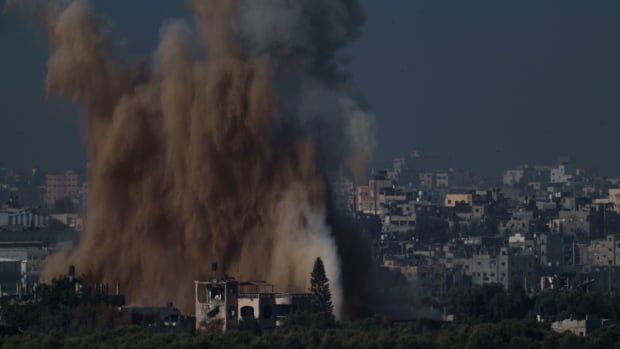
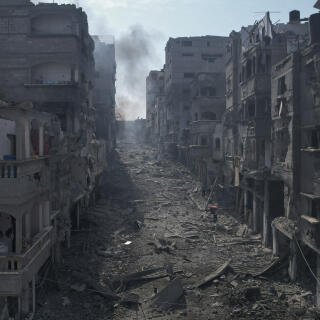
    Destroyed

    International Community’s Response:

    The international community has a crucial role to play in holding both parties accountable for their actions. It is essential for the international community to condemn Israel’s continued attacks on Palestine and exert diplomatic pressure to ensure the implementation of the peace treaty. Additionally, countries and international organizations should provide humanitarian aid to alleviate the suffering of the affected population.

    The ongoing attacks by Israel on Palestine raise serious concerns regarding the implementation of the peace treaty. It is imperative for Israel to honor its commitments and cease all hostilities, fostering an environment conducive to meaningful dialogue and lasting peace. The international community must play an active role in holding both parties accountable, working towards a just and sustainable resolution to the Israeli-Palestinian conflict. Only through genuine efforts and a commitment to peace can the cycle of violence be broken, and the aspirations of both Israelis and Palestinians for a secure and prosperous future be realized.

  • The Two-State Solution: A Path to Lasting Peace for Israel and Palestine

    The Two-State Solution: A Path to Lasting Peace for Israel and Palestine


    The Israeli-Palestinian conflict has persisted for decades, resulting in immense suffering and loss of life. Amidst the complex web of historical, political, and religious factors, the two-state solution has emerged as the most viable path towards a permanent and just peace. This article aims to emphasize the significance of the two-state solution, highlighting the insurmountable differences in ideology and religion that make the notion of a unified single country unattainable.

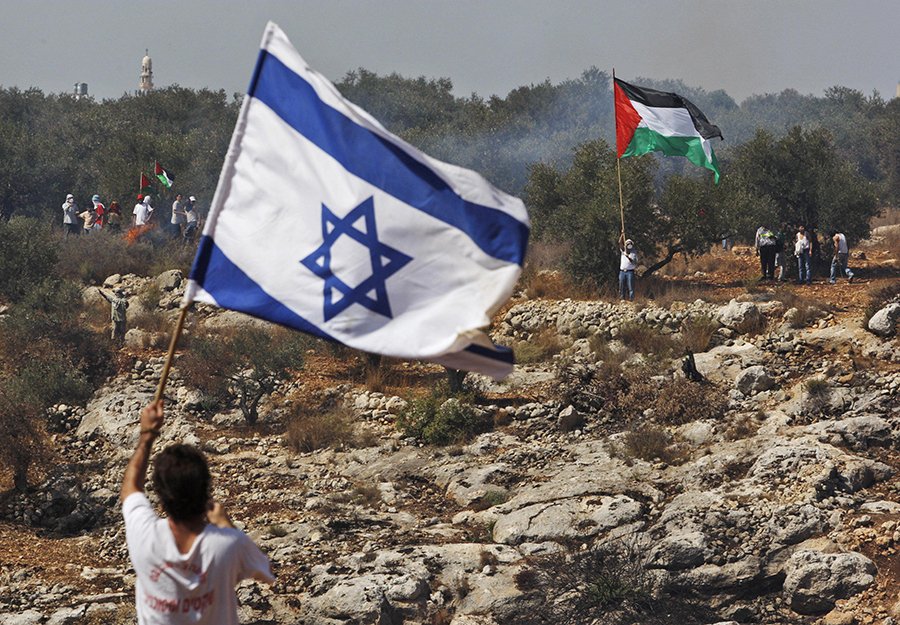
    Israel-Palestine War
    1. Recognizing Diverse National Aspirations:
      Israel and Palestine are distinct entities with diverging national aspirations. The two-state solution acknowledges and respects the right of both peoples to self-determination, allowing them to establish separate states that embody their respective identities, aspirations, and governing systems. It provides a framework for coexistence, fostering mutual recognition and respect.
    2. Addressing Irreconcilable Differences:
      The Israeli-Palestinian conflict is deeply rooted in differences of ideology, religion, and historical narratives. Attempting to merge these distinct identities into a single country would likely perpetuate conflict and exacerbate tensions. The two-state solution recognizes the need to accommodate these irreconcilable differences, allowing each side to govern itself according to its own values and beliefs.
    3. Ensuring Security and Stability:
      A two-state solution offers the best opportunity to ensure security and stability for both Israel and Palestine. By delineating clear borders and establishing independent states, it becomes possible to develop security arrangements that protect the rights and safety of each side. Separation helps minimize the potential for violence, allowing both nations to focus on building prosperous societies.
    4. Enhancing Economic Cooperation:
      A two-state solution enables enhanced economic cooperation between Israel and Palestine. With separate states, each entity can focus on developing its own economy, fostering trade relationships, and investing in infrastructure and human capital. This cooperation can lead to mutual benefits, reinforcing peace and stability in the region.
    5. International Consensus and Support:
      The two-state solution has garnered widespread international support and recognition as the most viable path to peace. Numerous United Nations resolutions, international peace initiatives, and diplomatic efforts have endorsed this framework. The international community stands ready to support the implementation of a two-state solution, providing the necessary assistance and guarantees to ensure its success.


    The two-state solution offers a realistic and pragmatic approach to resolving the Israeli-Palestinian conflict. It acknowledges the irreconcilable differences in ideology and religion, providing a framework for coexistence and mutual respect. By recognizing the right of both peoples to self-determination and establishing independent states, this solution paves the way for lasting peace, security, and prosperity in the region. It is imperative that all parties involved make genuine efforts to negotiate and implement a two-state solution for the benefit of present and future generations.

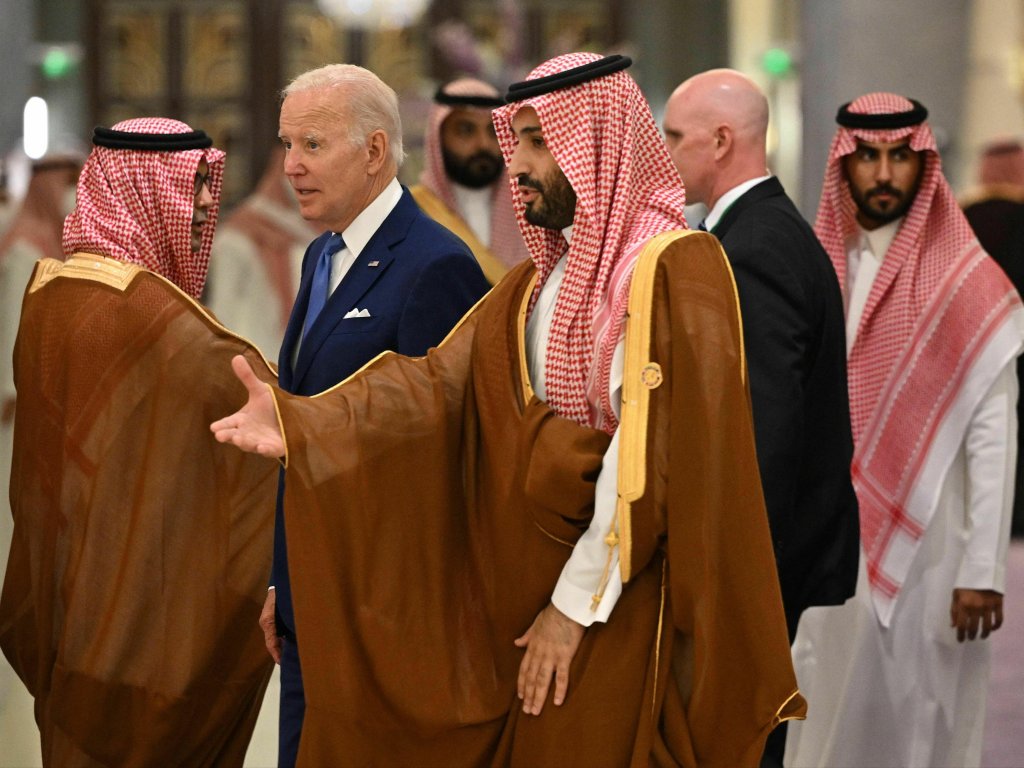
    President Joe Biden & Saudi Arabian Delegation
  • South Africa’s National Assembly Adopts EFF Motion Calling for Removal of Israel Embassy

    South Africa’s National Assembly Adopts EFF Motion Calling for Removal of Israel Embassy


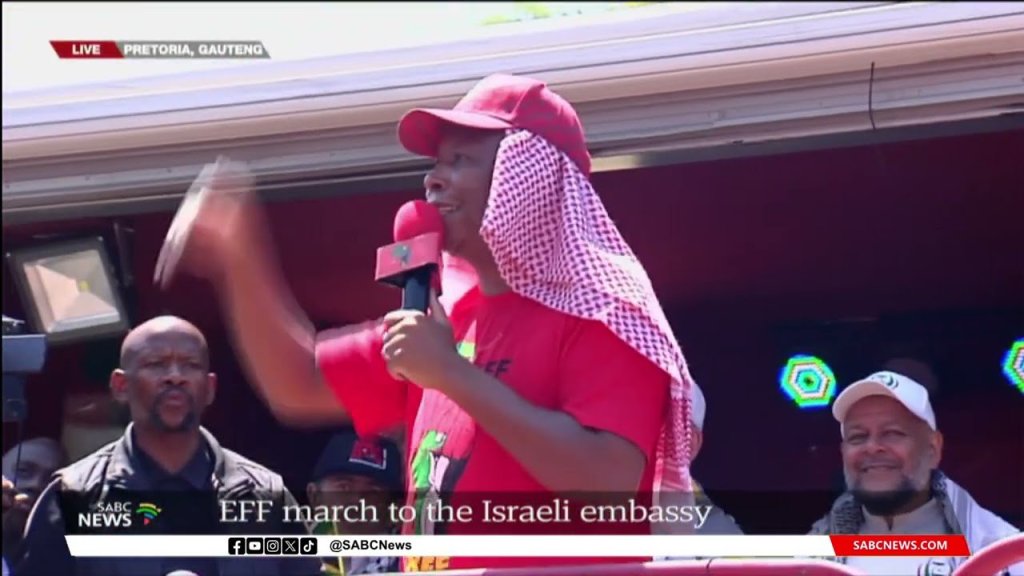
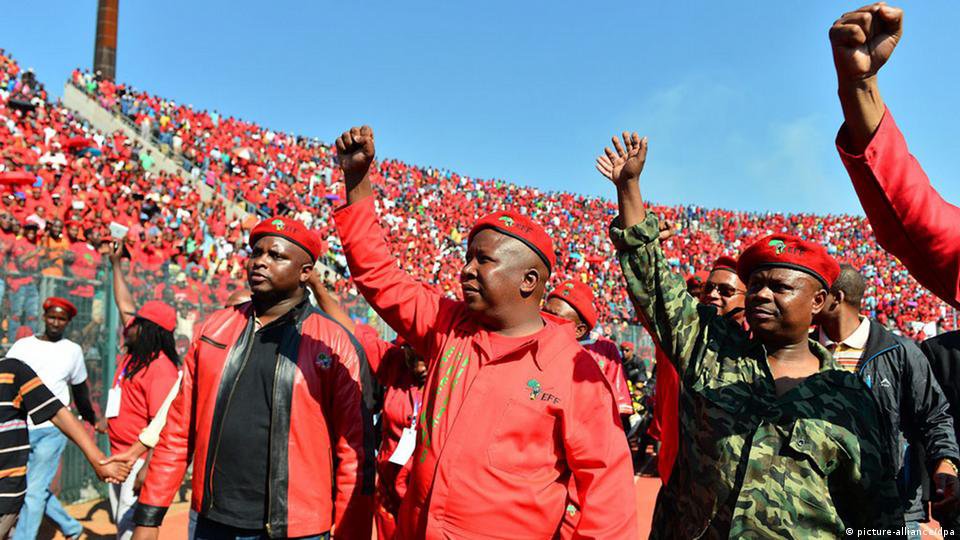
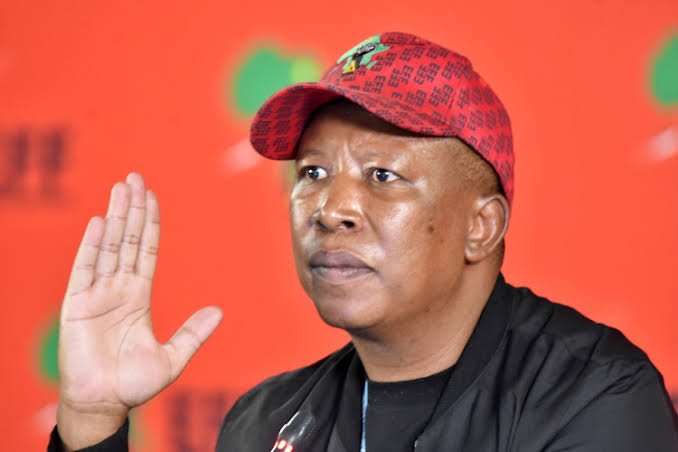
    In a significant development, the National Assembly of South Africa has adopted a motion put forward by Julius Malema, the leader of the Economic Freedom Fighters (EFF) party, calling for the removal of Israel’s embassy. This motion comes as a response to the ongoing aggression by Israel towards Palestine. The decision to adopt the motion demonstrates the maturation of South Africa’s democracy and emphasizes the importance of respecting the rights of Palestinians.

    Julias Malema

    Background:
    The motion put forward by Julius Malema highlights the deep concern among South African lawmakers regarding the actions of the Israeli government towards Palestine. The conflict between Israel and Palestine has been a longstanding issue, marked by violence and human rights violations. The adoption of this motion reflects South Africa’s commitment to standing in solidarity with the Palestinian people and condemning acts of aggression and oppression.

    ANC’s Acceptance of the Motion:
    The ruling African National Congress (ANC) party’s acceptance of the motion is a significant development. It signifies the party’s recognition of the need to address the ongoing crisis in the Middle East and support the rights of Palestinians. The ANC’s decision to adopt the motion demonstrates the party’s commitment to upholding democratic values and promoting justice on the global stage.

    Naledi Pandour

    Maturity of South Africa’s Democracy:
    The adoption of this motion is a clear indication that South Africa’s democracy has matured. It showcases the country’s commitment to engaging in discussions on important global issues and taking a stance on matters of human rights and international relations. By actively participating in this debate, South Africa is asserting its role as a responsible member of the international community.

    Respecting the Rights of Palestinians:
    The motion’s adoption emphasizes the importance of respecting the rights of Palestinians. It calls for the removal of Israel’s embassy as a symbolic gesture to express South Africa’s discontent with the actions of the Israeli government. By taking this step, South Africa aims to contribute to the international efforts aimed at achieving a peaceful resolution and justice for the Palestinian people.

    Israel Aggression


    The adoption of the EFF motion in the National Assembly of South Africa, calling for the removal of Israel’s embassy, highlights the country’s commitment to promoting justice and standing in solidarity with the Palestinian people. The decision by the ruling ANC party to accept the motion demonstrates the maturity of South Africa’s democracy and its willingness to engage in global affairs. This development sends a strong message about the importance of respecting human rights and advocating for peace and justice on the international stage.

  • South African Opposition’s Motion to Remove Israeli Embassy Garners Support from Ruling Party ANC

    South African Opposition’s Motion to Remove Israeli Embassy Garners Support from Ruling Party ANC


    In a significant move, the South African opposition party, the Economic Freedom Fighters (EFF), successfully tabled a motion to suspend and remove the Israeli embassy from the country. This motion, which received support from the ruling African National Congress (ANC), highlights the growing concern over Israel’s actions in the Middle East conflict. The decision reflects the commitment of South Africa to stand in solidarity with the Palestinian people and advocate for their rights.


    The passing of the EFF motion in parliament, with support from the ANC, is a commendable step toward expressing South Africa’s stance on the Israeli-Palestinian conflict. By calling for the removal of the Israeli embassy, the motion sends a clear message that the South African government stands against the oppression and violence faced by Palestinians.

    EFF LEADER JULIAS MALEMA

    The ANC’s decision to support the motion despite its amendment requesting a ceasefire and UN-facilitated negotiations demonstrates a principled commitment to justice and human rights. This move showcases the ANC’s willingness to prioritize the respect and protection of Palestinian rights over diplomatic considerations.

    EFF Leader Julias Malema

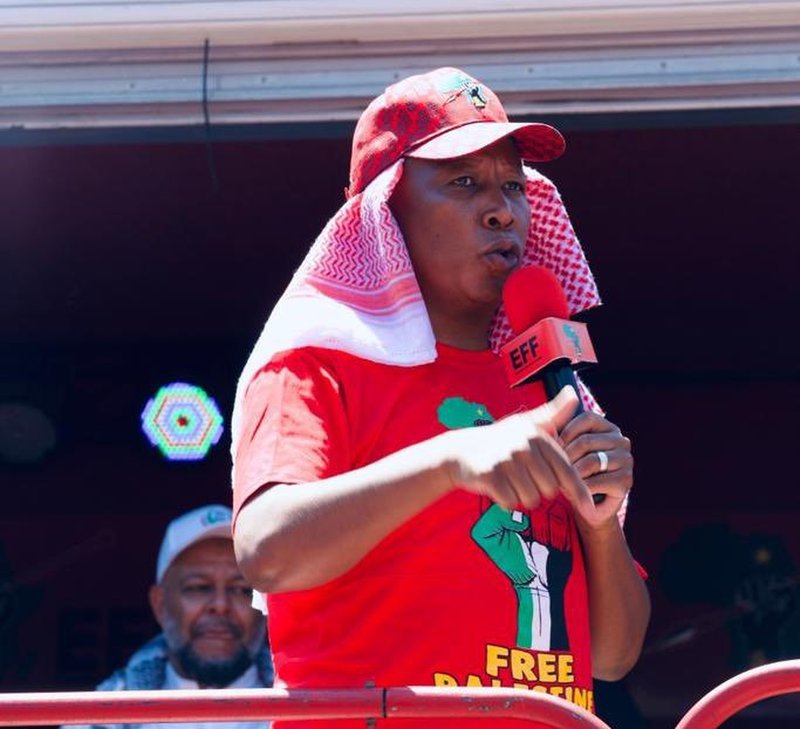
    The EFF, led by Julius Malema, deserves praise for initiating this motion and rallying support for it. Their call for the international isolation of Israel through boycotts, disinvestment, and sanctions is a powerful statement that resonates with the global movement advocating for Palestinian rights. This motion highlights the EFF’s dedication to promoting justice and equality on the international stage.

    The ANC’s support for the motion indicates their recognition of the gravity of the situation in the Middle East and the need for decisive action. By standing united against the Israeli government’s actions, South Africa sends a powerful message to the international community about the importance of upholding human rights and seeking a just resolution to the conflict.
    The passing of the EFF motion to suspend and remove the Israeli embassy in South Africa, with support from the ANC, marks a significant moment in the country’s commitment to justice and solidarity with the Palestinian people. This decision reflects South Africa’s determination to take a principled stance against oppression and violence. By supporting this motion, South Africa sends a strong message to the international community about the importance of standing up for human rights and advocating for a just resolution to the Israeli-Palestinian conflict.

  • South Africa’s Decision to Suspend Israel Ties: A Welcome Development

    South Africa’s Decision to Suspend Israel Ties: A Welcome Development


    The recent move by the South African government to suspend diplomatic ties with Israel and close its embassy in Pretoria marks a significant step in expressing solidarity with the Palestinian cause. The decision, driven by concerns over Israeli aggression and occupation of a sovereign state, has garnered support from various quarters. This article explores why South Africa’s action is a welcome development.

    1. Standing against Israeli aggression:
      South Africa’s Parliament has taken a firm stance against Israeli aggression, particularly in light of the recent Israeli assault on Gaza. By suspending diplomatic ties, South Africa sends a clear message that it stands against any form of military aggression and human rights violations, highlighting the need for a peaceful resolution to the Israeli-Palestinian conflict.
    2. Upholding international law:
      The move by South Africa aligns with international law and the principles of justice. Many international rights groups have drawn parallels between Israeli policies towards Palestinians and South Africa’s apartheid regime. By taking this step, South Africa reinforces the importance of upholding human rights, condemning any actions that violate international norms.
    3. Supporting Palestinian rights:
      South Africa’s decision is a testament to its long-standing support for the Palestinian cause. As a country that has experienced the struggle against apartheid firsthand, South Africa recognizes the importance of fighting for justice, equality, and self-determination. By severing ties with Israel, the South African government reaffirms its commitment to the rights and aspirations of the Palestinian people.
    4. Encouraging international solidarity:
      The action taken by South Africa serves as an inspiration for other nations to reevaluate their relationships with Israel. It encourages a broader dialogue on the Israeli-Palestinian conflict and fosters international solidarity in addressing the root causes of the ongoing tensions. By taking a principled stand, South Africa paves the way for other nations to reassess their political and diplomatic ties.
    5. Promoting a just and peaceful future:
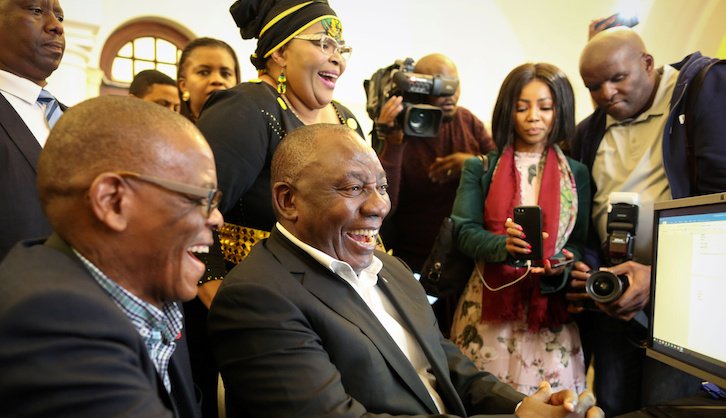
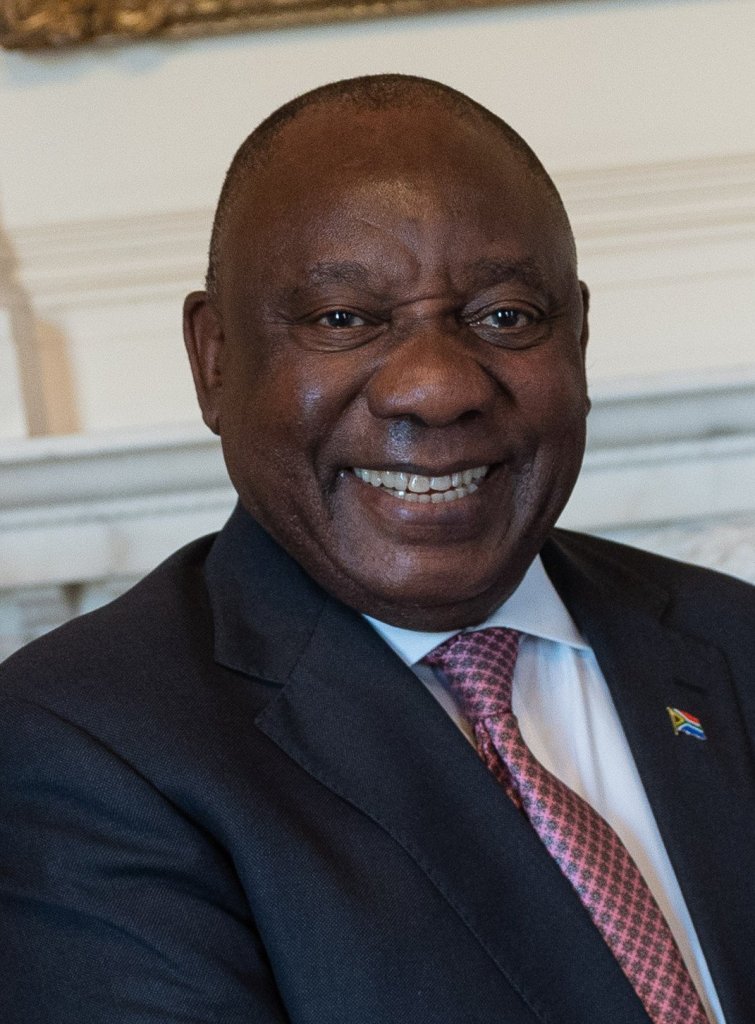
      South Africa’s President, Cyril Ramaphosa, has emphasized the need for a just, peaceful, and secure future for both Palestine and Israel. The decision to suspend ties provides an opportunity to reevaluate the current situation and work towards finding a lasting solution. It reinforces the call for an immediate ceasefire and a genuine commitment to peace negotiations, laying the groundwork for a more equitable and sustainable resolution to the conflict.
    6. South Africa’s move to suspend diplomatic ties with Israel and close its embassy stands as a powerful symbol of solidarity with the Palestinian people. By taking this step, South Africa demonstrates its commitment to upholding international law, supporting Palestinian rights, and advocating for a just and peaceful future. This decision serves as an invitation for other nations to reassess their positions and contribute to a meaningful resolution of the Israeli-Palestinian conflict.
    CYRIL RAMAPHOSA
Is this your new site? Log in to activate admin features and dismiss this message
Log In