Category: African Governance & Economy

Leadership, democracy, regional integration, trade and resource sovereignty across the continent.

  • Somalia’s Admission to the East African Community: A Turning Point for Stability and Development

    Somalia’s Admission to the East African Community: A Turning Point for Stability and Development


    After more than a decade of instability and an unstable political environment, Somalia has achieved a significant milestone by officially being admitted into the East African Community (EAC). The journey towards this achievement began in 2012 when President Mohamud initiated Somalia’s first attempt to join the regional bloc. This long-awaited entrance into the EAC not only marks a turning point for Somalia but also paves the way for neighboring countries to join. In this article, we will explore the impact of Somalia’s admission to the EAC in terms of trade, economic development, exports, imports, peacebuilding, and tourism.
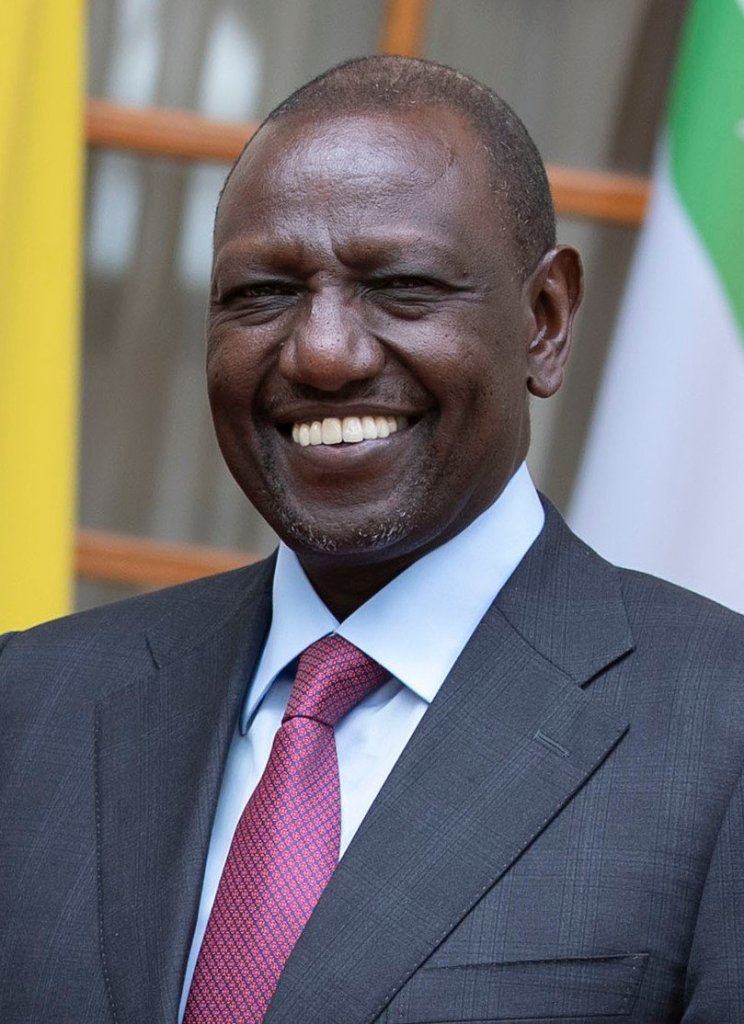
    Kenyan President Ruto
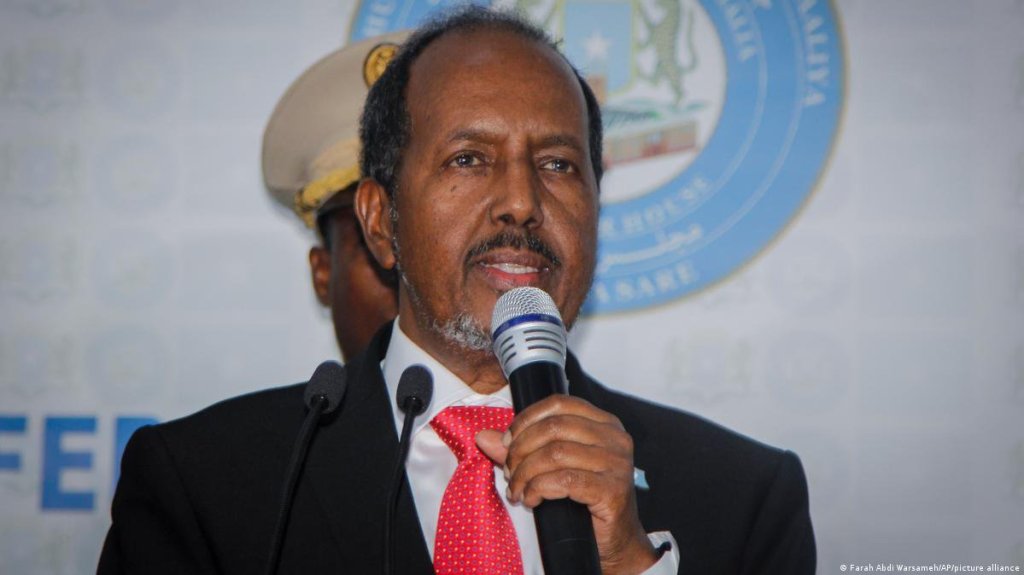
    Somalia President Mohamud
    1. Trade and Economic Development:
      The admission of Somalia into the EAC holds great potential for trade and economic development. By becoming a member of the regional bloc, Somalia gains access to a larger market comprising the EAC member states, including Kenya, Tanzania, Uganda, Rwanda, Burundi, South Sudan, and the Democratic Republic of Congo. This opens up new opportunities for Somali businesses to expand their trade networks and boost economic growth. Additionally, the EAC provides a platform for regional integration, promoting cross-border investments, and creating a more conducive environment for trade and investment in Somalia.
    2. Exports and Imports:
      Joining the EAC offers Somalia the advantage of increased exports and imports. As a member of the regional bloc, Somalia can benefit from reduced trade barriers, including tariffs and non-tariff barriers, within the EAC market. This facilitates the exportation of Somali goods and services to neighboring countries while also enabling easier access to imports from other EAC member states. Enhanced regional trade can contribute to diversifying Somalia’s economy, reducing dependency on a few sectors, and fostering sustainable economic development.
    3. Peacebuilding and Stability:
      Somalia’s admission to the EAC signifies a significant step towards peacebuilding and stability in the region. The EAC is committed to promoting peace, security, and political stability among its member states. By joining the regional bloc, Somalia becomes part of a community that shares common values and aspirations for regional peace. The EAC provides a platform for dialogue, cooperation, and conflict resolution mechanisms that can contribute to the ongoing efforts to consolidate peace in Somalia and the wider East African region.
    4. Tourism Potential:
      Somalia, with its rich cultural heritage, historical sites, and stunning natural landscapes, has immense tourism potential. The admission to the EAC can unlock opportunities for the development and promotion of tourism in Somalia. The regional bloc’s focus on tourism development and cooperation can facilitate cross-border tourism initiatives, marketing campaigns, and investment in infrastructure. This can attract tourists from within the EAC and beyond, boosting Somalia’s tourism industry and creating employment opportunities.


    The official admission of Somalia into the East African Community is a momentous occasion that symbolizes a new era of stability, growth, and cooperation for the nation. President Mohamud’s persistent efforts since 2012 have paid off, and Somalia can now benefit from the advantages offered by the regional bloc. The EAC membership opens up avenues for expanded trade, economic development, increased exports and imports, peacebuilding, and the realization of Somalia’s tourism potential. As Somalia embraces this new chapter, it is essential for the government, businesses, and citizens to seize the opportunities presented by the EAC membership and work towards sustainable development, regional integration, and prosperity.
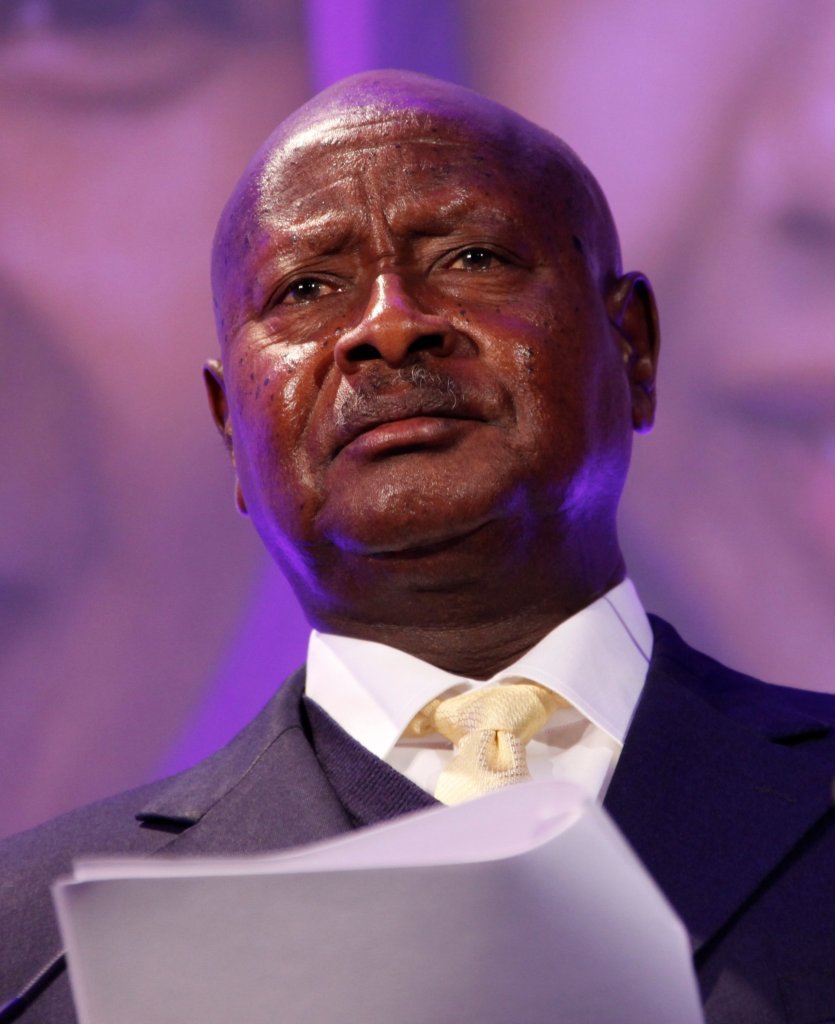
    Ugandan President Yoweri Museveni
  • Nigeria-Germany Gas Contract: A Catalyst for Economic Growth Amidst Power Challenges

    Nigeria-Germany Gas Contract: A Catalyst for Economic Growth Amidst Power Challenges


    In a significant development for Nigeria’s energy sector, the federal government has recently signed a groundbreaking memorandum of understanding (MoU) with Germany. Under this agreement, Nigeria will supply gas to Germany while also embarking on renewable energy projects worth $500 million. This partnership holds immense potential for Nigeria, as it not only strengthens its position in the global energy market but also provides a much-needed boost to its struggling economy. However, it is essential to address the concerns regarding power generation challenges and the inadequate electricity supply experienced by Nigerian citizens.

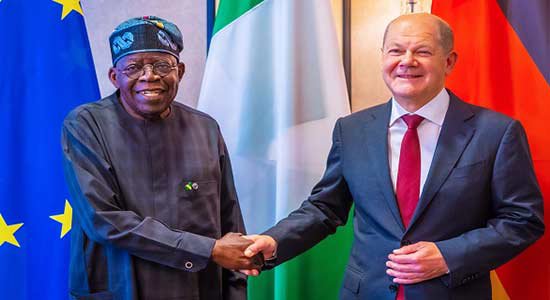
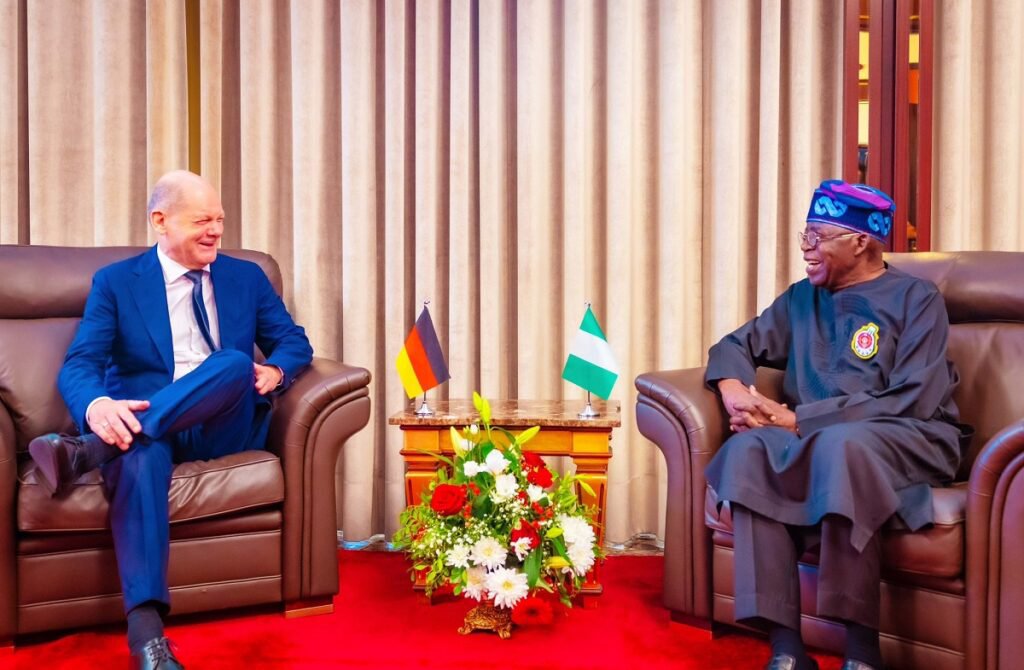
    President Tinuub With a German Official

    Enhancing Nigeria’s Energy Exports:
    The signing of the gas export partnership between Nigerian company Riverside LNG and Johannes Schuetze Energy Import AG of Germany marks a significant milestone for both countries. Nigeria, with its vast natural gas reserves, has the opportunity to export its energy resources to Europe, particularly Germany, a nation actively transitioning towards renewable energy sources. This strategic partnership allows Nigeria to leverage its abundant gas reserves, reducing gas flaring and meeting Germany’s growing energy demands. By supplying approximately 850,000 tonnes per annum initially, which is expected to expand to 1.2 million tonnes per annum, Nigeria can contribute significantly to Germany’s energy needs.

    Economic Benefits for Nigeria:
    For Nigeria, this gas contract offers substantial economic benefits. Firstly, it creates a new revenue stream through gas exports, diversifying the country’s income sources and reducing its reliance on oil revenue. As a result, Nigeria can mitigate the volatility associated with oil prices and strengthen its economic stability. The foreign exchange earnings from gas exports can contribute to the country’s foreign reserves and help stabilize its currency, attracting foreign direct investments and fostering economic growth.

    Impoverished Communities

    Moreover, the $500 million investment in renewable energy projects within Nigeria presents an opportunity to develop clean and sustainable energy sources within the country. This investment can stimulate job creation, especially in the renewable energy sector, providing employment opportunities for the Nigerian population. Additionally, the development of renewable energy infrastructure can improve access to electricity in rural areas, thereby enhancing the overall quality of life for citizens.

    Addressing Power Generation Challenges:
    While the signing of the gas contract with Germany is undoubtedly a significant achievement, it is crucial to acknowledge the persistent challenges faced by Nigeria’s power sector. Nigerian citizens have long experienced inadequate access to electricity, resulting in frequent power outages and a reliance on alternative sources such as generators. Addressing these challenges requires a comprehensive approach that focuses on improving power generation, transmission, and distribution infrastructure within Nigeria.

    To fully realize the benefits of the gas contract, Nigeria must prioritize investments in its domestic power sector. This includes upgrading existing power plants, expanding capacity, diversifying the energy mix to include more renewables, and strengthening transmission and distribution networks. By enhancing the domestic power infrastructure, Nigeria can not only meet the energy demands of its citizens but also utilize its gas reserves to power its own economy.

    Nigerian President Tinuub and German Business Man


    The signing of the gas contract between Nigeria and Germany signifies a significant step forward for Nigeria’s energy sector and its economy at large. By exporting gas to Germany while simultaneously investing in renewable energy projects, Nigeria can leverage its energy resources to drive economic growth, create employment opportunities, and attract foreign investments. However, it is crucial for the Nigerian government to address power generation challenges and prioritize investments in the domestic power sector to ensure its citizens have access to reliable and affordable electricity. With a comprehensive and sustainable approach, Nigeria can emerge as a key player in the global energy market while improving the lives of its citizens by providing them with consistent power supply.

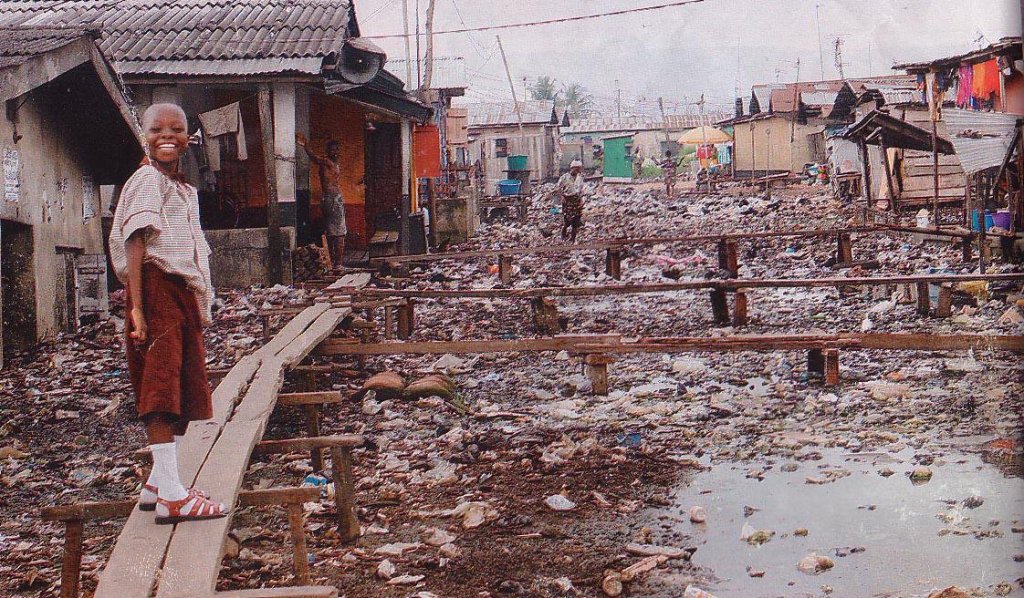
    Poverty-stricken community
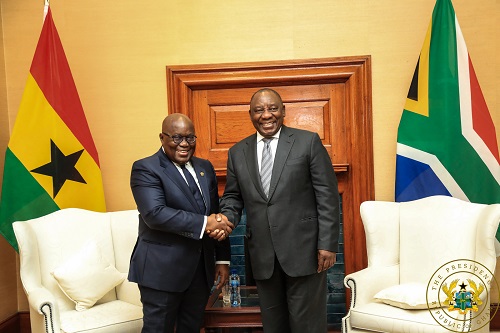
  • Ghana–South Africa Visa Waiver Agreement: Strengthening Relationships and Boosting Trade and Tourism

    Ghana–South Africa Visa Waiver Agreement: Strengthening Relationships and Boosting Trade and Tourism


    The recent visa waiver agreement between Ghana and South Africa marks a significant milestone in enhancing bilateral relations between the two countries. This landmark agreement not only facilitates seamless travel for citizens of both nations but also paves the way for fostering closer ties and promoting trade and tourism. By setting an example for other African countries, Ghana and South Africa are championing the vision of a borderless Africa, where Africans can travel freely without hindrances. This article explores the impact of the Ghana-South Africa visa waiver on their relationship, as well as the benefits it brings to trade, tourism, and the broader African continent.

    Strengthening Bilateral Relations:
    The visa waiver agreement signifies the commitment of Ghana and South Africa to deepen their bilateral relations. By eliminating the need for visas, both countries have removed a major barrier that often hinders travel and business opportunities. This agreement is a testament to their shared vision of promoting closer ties, fostering cultural exchange, and enhancing people-to-people connections. It establishes a foundation for increased cooperation in various fields, including trade, investment, education, and technology.

    Boosting Trade:
    With South Africa being Africa’s second-largest economy and Ghana’s vibrant and growing economy, the visa waiver agreement holds immense potential for boosting trade between the two nations. Removing visa requirements will facilitate easier movement of business professionals, entrepreneurs, and investors, enabling them to explore opportunities in each other’s markets. Increased trade activities can lead to the exchange of goods, services, and expertise, benefiting both countries’ economies and contributing to overall regional economic growth.

    Promoting Tourism:
    The visa waiver agreement is a game-changer for promoting tourism between Ghana and South Africa. Both countries boast rich cultural heritage, diverse landscapes, and vibrant tourism sectors. The removal of visa requirements will encourage more tourists from both nations to explore each other’s attractions, creating a positive impact on the tourism industries of both countries. Ghana’s historical sites, such as Cape Coast Castle and Kakum National Park, and South Africa’s iconic landmarks, including Table Mountain and Kruger National Park, will become more accessible to travelers, leading to increased tourist arrivals and revenue generation.

    Inspiring Other African Nations:
    The Ghana-South Africa visa waiver agreement sets a precedent for other African countries to follow. As pioneers in facilitating visa-free travel, Ghana and South Africa inspire other nations to consider similar agreements, thereby fostering a sense of unity and integration across the continent. A borderless Africa, with simplified travel procedures, will encourage intra-African trade, tourism, and cultural exchange, ultimately contributing to economic growth and regional development.


    The visa waiver agreement between Ghana and South Africa ushers in a new era of strengthened bilateral relations, increased trade, and enhanced tourism opportunities. By removing barriers to travel, both countries have set an example for other African nations to emulate. The agreement not only benefits the citizens of Ghana and South Africa but also contributes to the broader vision of a borderless Africa. As more African nations embrace visa-free travel, the continent moves closer to unlocking its full potential, fostering economic integration, and creating a brighter future for all Africans.

  • Liberia’s President George Weah’s Peaceful Concession Sets an Example for African Leaders

    Liberia’s President George Weah’s Peaceful Concession Sets an Example for African Leaders

    Liberia President George Weah’s concession of election defeat to Joseph Boakai is a significant step towards a peaceful transition of power in the country. This decision holds great importance as it breaks the cycle of African leaders clinging to power indefinitely, even when they lose popular support. By willingly stepping down, Weah sets a positive example for other leaders in the region and helps to prevent civil unrest that often arises from leaders refusing to relinquish power. This peaceful transfer of power is crucial for ending the civil wars that have plagued Africa in the past, as it demonstrates a commitment to democratic principles and gives hope for a more stable and prosperous future for Liberia.

    Former President Gorge Weah & New President Joseph Boakai
Is this your new site? Log in to activate admin features and dismiss this message
Log In