
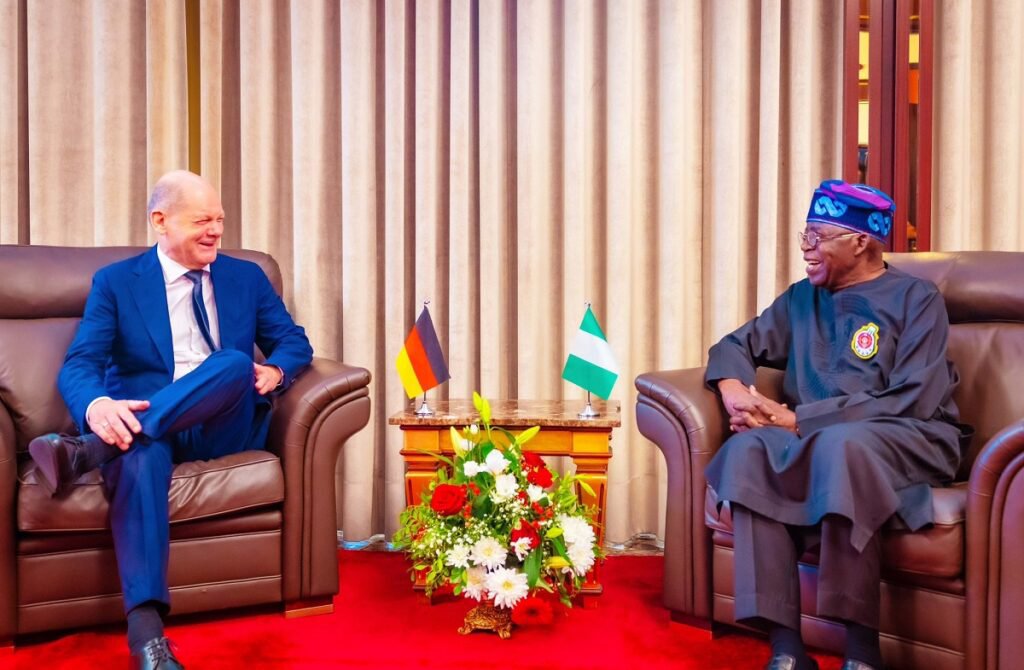
In a significant development for Nigeria’s energy sector, the federal government has recently signed a groundbreaking memorandum of understanding (MoU) with Germany. Under this agreement, Nigeria will supply gas to Germany while also embarking on renewable energy projects worth $500 million. This partnership holds immense potential for Nigeria, as it not only strengthens its position in the global energy market but also provides a much-needed boost to its struggling economy. However, it is essential to address the concerns regarding power generation challenges and the inadequate electricity supply experienced by Nigerian citizens.
Enhancing Nigeria’s Energy Exports:
The signing of the gas export partnership between Nigerian company Riverside LNG and Johannes Schuetze Energy Import AG of Germany marks a significant milestone for both countries. Nigeria, with its vast natural gas reserves, has the opportunity to export its energy resources to Europe, particularly Germany, a nation actively transitioning towards renewable energy sources. This strategic partnership allows Nigeria to leverage its abundant gas reserves, reducing gas flaring and meeting Germany’s growing energy demands. By supplying approximately 850,000 tonnes per annum initially, which is expected to expand to 1.2 million tonnes per annum, Nigeria can contribute significantly to Germany’s energy needs.
Economic Benefits for Nigeria:
For Nigeria, this gas contract offers substantial economic benefits. Firstly, it creates a new revenue stream through gas exports, diversifying the country’s income sources and reducing its reliance on oil revenue. As a result, Nigeria can mitigate the volatility associated with oil prices and strengthen its economic stability. The foreign exchange earnings from gas exports can contribute to the country’s foreign reserves and help stabilize its currency, attracting foreign direct investments and fostering economic growth.

Moreover, the $500 million investment in renewable energy projects within Nigeria presents an opportunity to develop clean and sustainable energy sources within the country. This investment can stimulate job creation, especially in the renewable energy sector, providing employment opportunities for the Nigerian population. Additionally, the development of renewable energy infrastructure can improve access to electricity in rural areas, thereby enhancing the overall quality of life for citizens.
Addressing Power Generation Challenges:
While the signing of the gas contract with Germany is undoubtedly a significant achievement, it is crucial to acknowledge the persistent challenges faced by Nigeria’s power sector. Nigerian citizens have long experienced inadequate access to electricity, resulting in frequent power outages and a reliance on alternative sources such as generators. Addressing these challenges requires a comprehensive approach that focuses on improving power generation, transmission, and distribution infrastructure within Nigeria.
To fully realize the benefits of the gas contract, Nigeria must prioritize investments in its domestic power sector. This includes upgrading existing power plants, expanding capacity, diversifying the energy mix to include more renewables, and strengthening transmission and distribution networks. By enhancing the domestic power infrastructure, Nigeria can not only meet the energy demands of its citizens but also utilize its gas reserves to power its own economy.
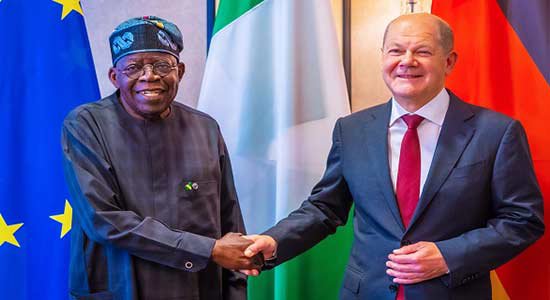
The signing of the gas contract between Nigeria and Germany signifies a significant step forward for Nigeria’s energy sector and its economy at large. By exporting gas to Germany while simultaneously investing in renewable energy projects, Nigeria can leverage its energy resources to drive economic growth, create employment opportunities, and attract foreign investments. However, it is crucial for the Nigerian government to address power generation challenges and prioritize investments in the domestic power sector to ensure its citizens have access to reliable and affordable electricity. With a comprehensive and sustainable approach, Nigeria can emerge as a key player in the global energy market while improving the lives of its citizens by providing them with consistent power supply.