The Israeli-Palestinian conflict has persisted for decades, resulting in immense suffering and loss of life. Amidst the complex web of historical, political, and religious factors, the two-state solution has emerged as the most viable path towards a permanent and just peace. This article aims to emphasize the significance of the two-state solution, highlighting the insurmountable differences in ideology and religion that make the notion of a unified single country unattainable.
- Recognizing Diverse National Aspirations:
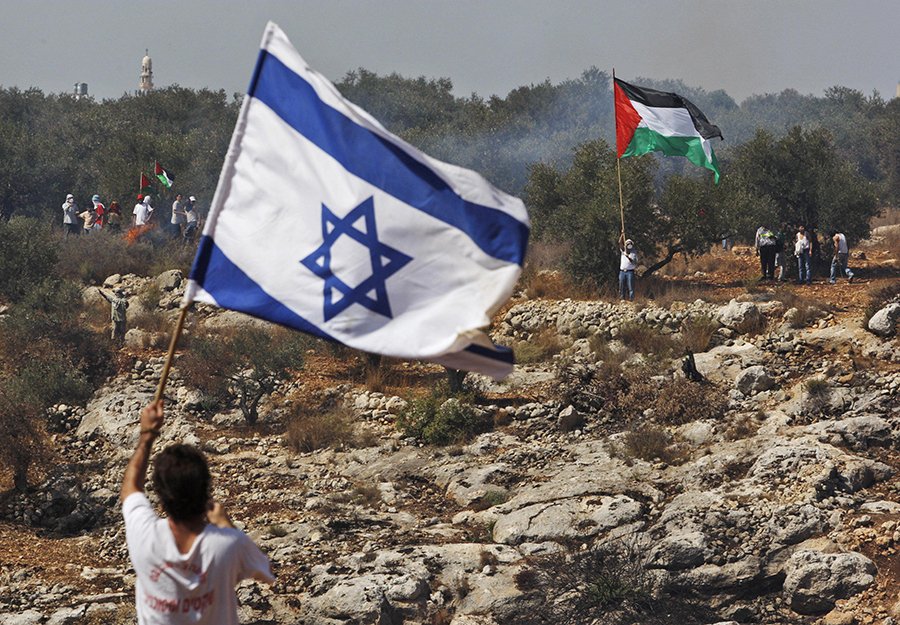
Israel and Palestine are distinct entities with diverging national aspirations. The two-state solution acknowledges and respects the right of both peoples to self-determination, allowing them to establish separate states that embody their respective identities, aspirations, and governing systems. It provides a framework for coexistence, fostering mutual recognition and respect. - Addressing Irreconcilable Differences:
The Israeli-Palestinian conflict is deeply rooted in differences of ideology, religion, and historical narratives. Attempting to merge these distinct identities into a single country would likely perpetuate conflict and exacerbate tensions. The two-state solution recognizes the need to accommodate these irreconcilable differences, allowing each side to govern itself according to its own values and beliefs. - Ensuring Security and Stability:
A two-state solution offers the best opportunity to ensure security and stability for both Israel and Palestine. By delineating clear borders and establishing independent states, it becomes possible to develop security arrangements that protect the rights and safety of each side. Separation helps minimize the potential for violence, allowing both nations to focus on building prosperous societies. - Enhancing Economic Cooperation:
A two-state solution enables enhanced economic cooperation between Israel and Palestine. With separate states, each entity can focus on developing its own economy, fostering trade relationships, and investing in infrastructure and human capital. This cooperation can lead to mutual benefits, reinforcing peace and stability in the region. - International Consensus and Support:
The two-state solution has garnered widespread international support and recognition as the most viable path to peace. Numerous United Nations resolutions, international peace initiatives, and diplomatic efforts have endorsed this framework. The international community stands ready to support the implementation of a two-state solution, providing the necessary assistance and guarantees to ensure its success.
The two-state solution offers a realistic and pragmatic approach to resolving the Israeli-Palestinian conflict. It acknowledges the irreconcilable differences in ideology and religion, providing a framework for coexistence and mutual respect. By recognizing the right of both peoples to self-determination and establishing independent states, this solution paves the way for lasting peace, security, and prosperity in the region. It is imperative that all parties involved make genuine efforts to negotiate and implement a two-state solution for the benefit of present and future generations.