Tag: economic crisis

  • Britain’s Abstention and America’s Opposition: A Betrayal of Peace and Prosperity

    Britain’s Abstention and America’s Opposition: A Betrayal of Peace and Prosperity


    In a situation where a win-win outcome was within reach, both Britain’s abstention from voting and America’s opposition have raised eyebrows and sparked concerns. This article aims to shed light on the manipulation and deceit within American and British foreign policies, which ultimately favor the continuation of bloodshed and hinder the prospects of peace. Not only do these actions perpetuate suffering abroad, but they also inflict economic hardships on American and British citizens, who bear the burden of funding foreign wars.
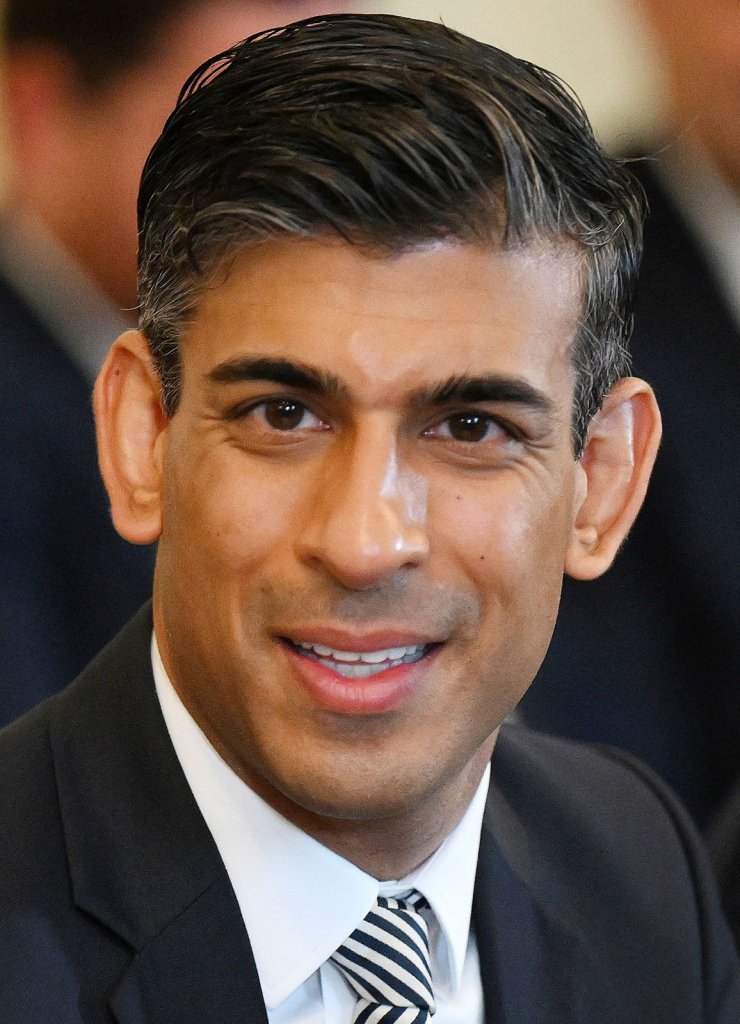
    British Prime Minister Rishi Sunak

    The Betrayal of Peace:
    By abstaining from the vote, Britain has missed an opportunity to play a constructive role in resolving a conflict that could have brought about a mutually beneficial resolution. This decision reflects a disheartening lack of commitment to peace and a failure to prioritize diplomacy. Instead of actively engaging in negotiations, Britain’s abstention sends a message that it is willing to perpetuate the cycle of violence, disregarding the immense human suffering and the long-term consequences of war.

    American Opposition and Deceit:
    America’s opposition to the vote further exacerbates the situation, raising questions about its true intentions in the global arena. While the United States has always championed democratic principles and human rights, its opposition in this scenario hints at ulterior motives. The American government’s actions seem to prioritize its own interests over the pursuit of peace, casting doubt on the sincerity of its foreign policy objectives.

    US President Joe Biden

    The Cost of Bloodshed:
    One of the gravest consequences of the manipulation and deceit within American and British foreign policies is the perpetuation of bloodshed. Countless lives have been lost, families torn apart, and communities devastated, all while the objectives of the conflict remain elusive. The continuation of war not only deepens the wounds of those directly affected but also fuels resentment and radicalization, which can have far-reaching implications for global stability.

    Economic Burden on Citizens:
    The economic toll of funding foreign wars weighs heavily on both American and British citizens. As financial resources are diverted toward military endeavors, domestic priorities such as healthcare, education, and infrastructure suffer. The rising cost of living further burdens individuals and families, making it harder for them to meet their basic needs and secure a decent standard of living. This economic strain creates a sense of injustice among citizens, who question why their hard-earned money is being spent on conflicts that seem distant and detached from their everyday lives.

    The Need for Change:
    The manipulation and deceit within American and British foreign policies have created a vicious cycle of violence, hindering the prospects of peace and prosperity. It is high time for a paradigm shift, where diplomacy, cooperation, and genuine commitment to resolving conflicts take precedence over self-interest. Governments must prioritize the well-being of their citizens and redirect resources towards building a more peaceful and equitable world.
    United Nations


    The abstention of Britain and the opposition of America in a situation where a win-win outcome was possible reflects a betrayal of peace and prosperity. The manipulation and deceit within their foreign policies perpetuate bloodshed, while burdening their own citizens with economic hardships. It is crucial for these nations to reassess their priorities, prioritize diplomacy, and work towards a future where peace prevails over conflict, and the well-being of their citizens is safeguarded.

  • What Fuels Corruption in Zimbabwe, and What Steps Can Eradicate It?

    What Fuels Corruption in Zimbabwe, and What Steps Can Eradicate It?

    Unraveling Corruption in Zimbabwe: Factors and Pathways to Eradication


    Corruption poses a significant challenge to the economic and social development of nations worldwide, and Zimbabwe is no exception. In order to combat this pervasive issue, it is crucial to understand the factors that contribute to corruption within the country. By examining these factors and implementing effective measures, Zimbabwe can pave the way towards eradicating corruption and fostering a transparent and accountable society.

    1. Political Factors:
      One of the key contributors to corruption in Zimbabwe is the intertwining of political and economic interests. Political patronage, nepotism, and the abuse of power have created an environment conducive to corrupt practices. The concentration of power within a few individuals or entities fosters an atmosphere of impunity, where accountability is often compromised.
    2. Weak Institutional Framework:
      Another factor that perpetuates corruption in Zimbabwe is the weakness of its institutional framework. Inadequate legislation, ineffective law enforcement, and a lack of checks and balances create loopholes that corrupt individuals exploit. Insufficient resources allocated to anti-corruption agencies further impede their ability to combat corrupt practices effectively.
    3. Lack of Transparency and Accountability:
      A lack of transparency and accountability within both the public and private sectors has allowed corruption to thrive. Many transactions, particularly those involving public funds, are conducted without adequate oversight or public scrutiny. Limited access to information and a lack of whistleblower protection discourage individuals from coming forward, perpetuating a culture of silence.
    4. Socioeconomic Factors:
      Socioeconomic factors also contribute to corruption in Zimbabwe. High levels of poverty, unemployment, and income inequality create fertile ground for corrupt practices. When basic needs are not met, individuals may resort to corruption as a means of survival or to improve their living conditions. Additionally, low salaries and inadequate remuneration for public officials can lead to bribery and embezzlement.

    Steps to Eradicate Corruption in Zimbabwe:

    1. Strengthening Institutions and Legislation:
      To combat corruption effectively, Zimbabwe must prioritize the strengthening of its institutional framework. This includes enacting comprehensive anti-corruption legislation, ensuring its enforcement, and establishing independent oversight bodies. Adequate funding, training, and capacity-building programs for law enforcement agencies and anti-corruption institutions should also be implemented.
    2. Promoting Transparency and Accountability:
      Promoting transparency and accountability is vital in curbing corruption. Zimbabwe should establish mechanisms to enhance transparency in public procurement, financial management, and asset declarations. Implementing open data initiatives and whistleblower protection laws can encourage individuals to come forward with evidence of corruption without fear of retaliation.
    3. Enhancing Public Participation and Civic Education:
      Engaging citizens and civil society organizations in the fight against corruption is crucial. By promoting civic education and awareness campaigns, Zimbabwe can empower its citizens to actively participate in holding public officials accountable and reporting corrupt practices. Strengthening mechanisms for public participation in decision-making processes can also foster transparency and reduce opportunities for corruption.
    4. International Cooperation and Support:
      Zimbabwe should actively seek international cooperation and support in its efforts to combat corruption. Collaboration with regional and international organizations can provide technical expertise, resources, and training opportunities. Engaging in mutual legal assistance and extradition treaties can ensure that corrupt individuals are held accountable, even beyond national borders.
    5. Eradicating corruption in Zimbabwe requires a multi-faceted approach encompassing political, institutional, socioeconomic, and societal reforms. By addressing the contributing factors and implementing the suggested measures, Zimbabwe can lay the foundation for a transparent, accountable, and prosperous future. The path to eradication may be challenging, but with unwavering commitment and collective effort, Zimbabwe can overcome corruption and foster sustainable development for its people.
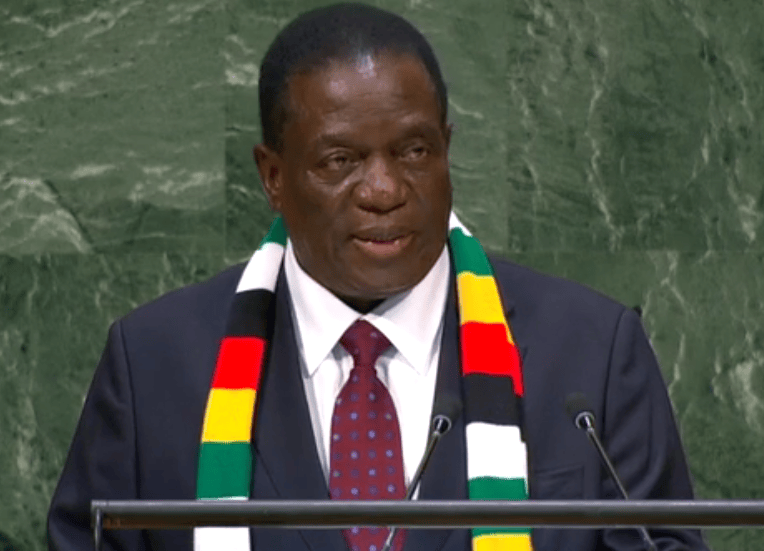
    Zimbabwe President Emmerson Mnangagwa speaking at the United Nations

    Zimbabwe President Emmerson Mnangagwa

    Flag of Zimbabwe
    Zimbabwe flag
Is this your new site? Log in to activate admin features and dismiss this message
Log In