Tag: Cyril Ramaphosa

  • South Africa’s National Assembly Adopts EFF Motion Calling for Removal of Israel Embassy

    South Africa’s National Assembly Adopts EFF Motion Calling for Removal of Israel Embassy


    In a significant development, the National Assembly of South Africa has adopted a motion put forward by Julius Malema, the leader of the Economic Freedom Fighters (EFF) party, calling for the removal of Israel’s embassy. This motion comes as a response to the ongoing aggression by Israel towards Palestine. The decision to adopt the motion demonstrates the maturation of South Africa’s democracy and emphasizes the importance of respecting the rights of Palestinians.
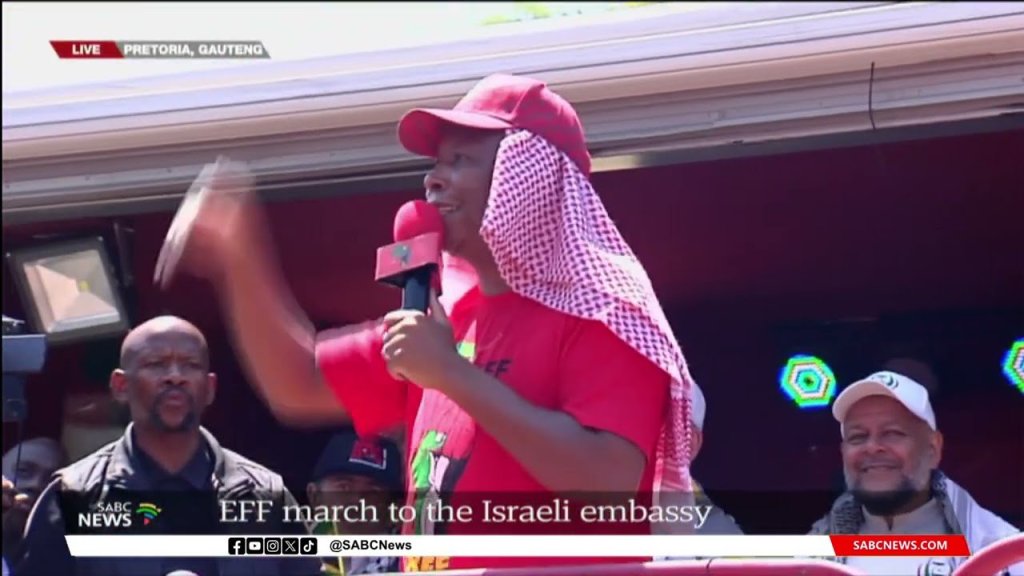
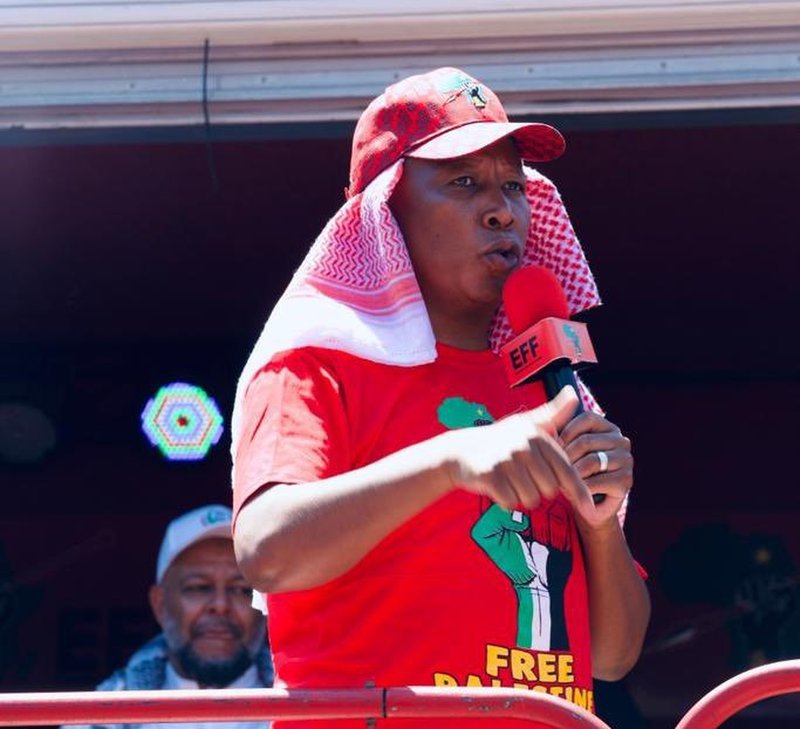
    Julias Malema

    Background:
    The motion put forward by Julius Malema highlights the deep concern among South African lawmakers regarding the actions of the Israeli government towards Palestine. The conflict between Israel and Palestine has been a longstanding issue, marked by violence and human rights violations. The adoption of this motion reflects South Africa’s commitment to standing in solidarity with the Palestinian people and condemning acts of aggression and oppression.

    ANC’s Acceptance of the Motion:
    The ruling African National Congress (ANC) party’s acceptance of the motion is a significant development. It signifies the party’s recognition of the need to address the ongoing crisis in the Middle East and support the rights of Palestinians. The ANC’s decision to adopt the motion demonstrates the party’s commitment to upholding democratic values and promoting justice on the global stage.

    Naledi Pandour

    Maturity of South Africa’s Democracy:
    The adoption of this motion is a clear indication that South Africa’s democracy has matured. It showcases the country’s commitment to engaging in discussions on important global issues and taking a stance on matters of human rights and international relations. By actively participating in this debate, South Africa is asserting its role as a responsible member of the international community.

    Respecting the Rights of Palestinians:
    The motion’s adoption emphasizes the importance of respecting the rights of Palestinians. It calls for the removal of Israel’s embassy as a symbolic gesture to express South Africa’s discontent with the actions of the Israeli government. By taking this step, South Africa aims to contribute to the international efforts aimed at achieving a peaceful resolution and justice for the Palestinian people.

    Israel Aggression


    The adoption of the EFF motion in the National Assembly of South Africa, calling for the removal of Israel’s embassy, highlights the country’s commitment to promoting justice and standing in solidarity with the Palestinian people. The decision by the ruling ANC party to accept the motion demonstrates the maturity of South Africa’s democracy and its willingness to engage in global affairs. This development sends a strong message about the importance of respecting human rights and advocating for peace and justice on the international stage.
  • South African Opposition’s Motion to Remove Israeli Embassy Garners Support from Ruling Party ANC

    South African Opposition’s Motion to Remove Israeli Embassy Garners Support from Ruling Party ANC


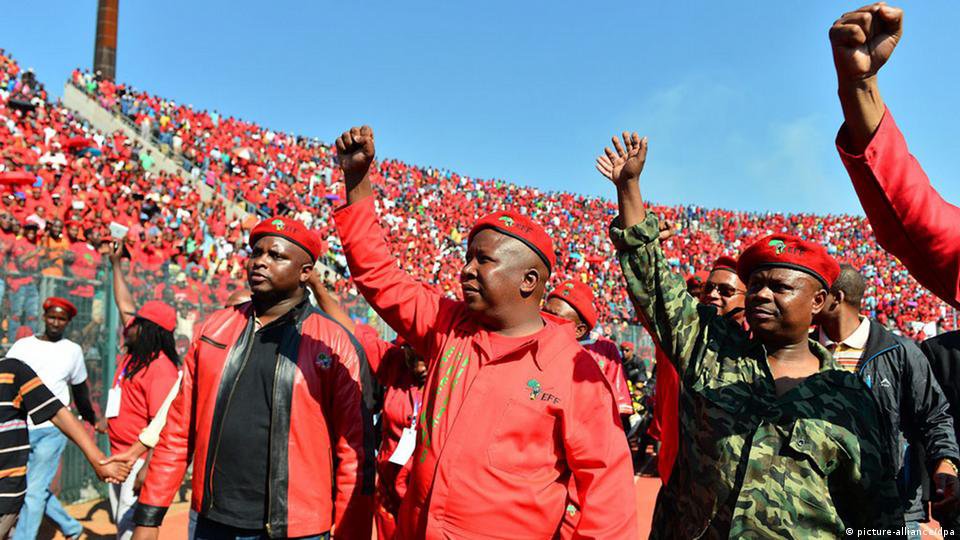
    In a significant move, the South African opposition party, the Economic Freedom Fighters (EFF), successfully tabled a motion to suspend and remove the Israeli embassy from the country. This motion, which received support from the ruling African National Congress (ANC), highlights the growing concern over Israel’s actions in the Middle East conflict. The decision reflects the commitment of South Africa to stand in solidarity with the Palestinian people and advocate for their rights.


    The passing of the EFF motion in parliament, with support from the ANC, is a commendable step toward expressing South Africa’s stance on the Israeli-Palestinian conflict. By calling for the removal of the Israeli embassy, the motion sends a clear message that the South African government stands against the oppression and violence faced by Palestinians.

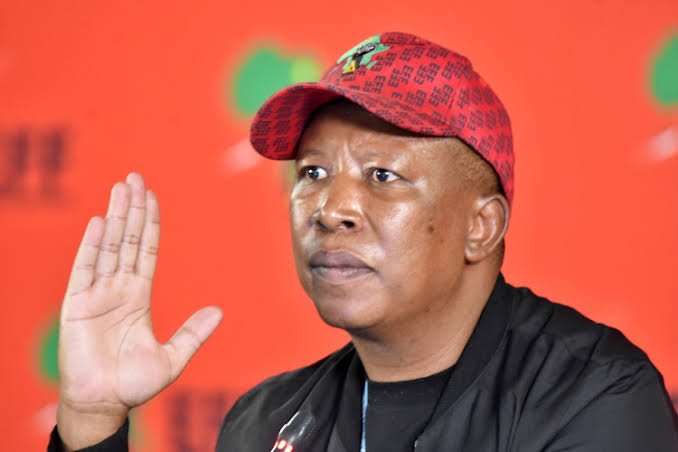
    EFF LEADER JULIAS MALEMA

    The ANC’s decision to support the motion despite its amendment requesting a ceasefire and UN-facilitated negotiations demonstrates a principled commitment to justice and human rights. This move showcases the ANC’s willingness to prioritize the respect and protection of Palestinian rights over diplomatic considerations.

    EFF Leader Julias Malema

    The EFF, led by Julius Malema, deserves praise for initiating this motion and rallying support for it. Their call for the international isolation of Israel through boycotts, disinvestment, and sanctions is a powerful statement that resonates with the global movement advocating for Palestinian rights. This motion highlights the EFF’s dedication to promoting justice and equality on the international stage.

    The ANC’s support for the motion indicates their recognition of the gravity of the situation in the Middle East and the need for decisive action. By standing united against the Israeli government’s actions, South Africa sends a powerful message to the international community about the importance of upholding human rights and seeking a just resolution to the conflict.
    The passing of the EFF motion to suspend and remove the Israeli embassy in South Africa, with support from the ANC, marks a significant moment in the country’s commitment to justice and solidarity with the Palestinian people. This decision reflects South Africa’s determination to take a principled stance against oppression and violence. By supporting this motion, South Africa sends a strong message to the international community about the importance of standing up for human rights and advocating for a just resolution to the Israeli-Palestinian conflict.

  • South Africa’s Decision to Suspend Israel Ties: A Welcome Development

    South Africa’s Decision to Suspend Israel Ties: A Welcome Development


    The recent move by the South African government to suspend diplomatic ties with Israel and close its embassy in Pretoria marks a significant step in expressing solidarity with the Palestinian cause. The decision, driven by concerns over Israeli aggression and occupation of a sovereign state, has garnered support from various quarters. This article explores why South Africa’s action is a welcome development.

    1. Standing against Israeli aggression:
      South Africa’s Parliament has taken a firm stance against Israeli aggression, particularly in light of the recent Israeli assault on Gaza. By suspending diplomatic ties, South Africa sends a clear message that it stands against any form of military aggression and human rights violations, highlighting the need for a peaceful resolution to the Israeli-Palestinian conflict.
    2. Upholding international law:
      The move by South Africa aligns with international law and the principles of justice. Many international rights groups have drawn parallels between Israeli policies towards Palestinians and South Africa’s apartheid regime. By taking this step, South Africa reinforces the importance of upholding human rights, condemning any actions that violate international norms.
    3. Supporting Palestinian rights:
      South Africa’s decision is a testament to its long-standing support for the Palestinian cause. As a country that has experienced the struggle against apartheid firsthand, South Africa recognizes the importance of fighting for justice, equality, and self-determination. By severing ties with Israel, the South African government reaffirms its commitment to the rights and aspirations of the Palestinian people.
    4. Encouraging international solidarity:
      The action taken by South Africa serves as an inspiration for other nations to reevaluate their relationships with Israel. It encourages a broader dialogue on the Israeli-Palestinian conflict and fosters international solidarity in addressing the root causes of the ongoing tensions. By taking a principled stand, South Africa paves the way for other nations to reassess their political and diplomatic ties.
    5. Promoting a just and peaceful future:
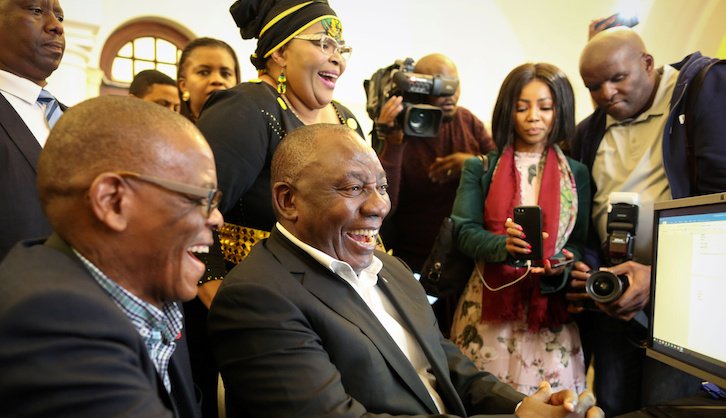
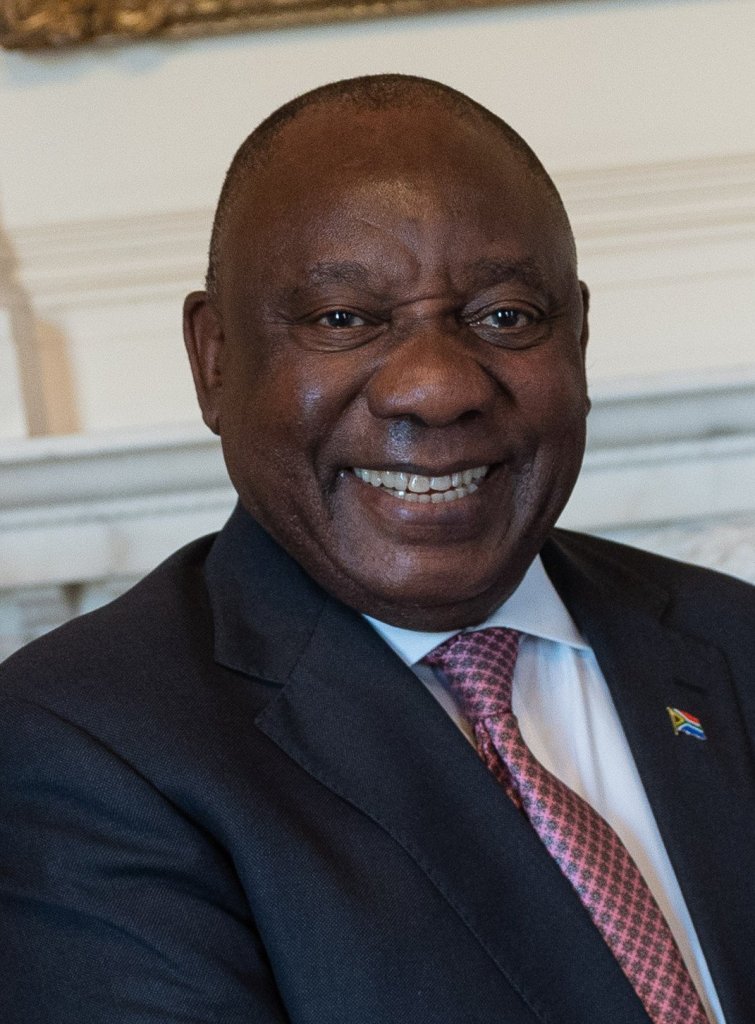
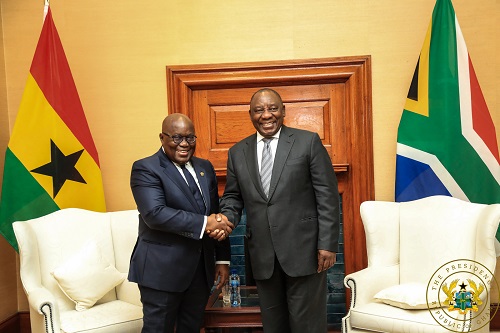
      South Africa’s President, Cyril Ramaphosa, has emphasized the need for a just, peaceful, and secure future for both Palestine and Israel. The decision to suspend ties provides an opportunity to reevaluate the current situation and work towards finding a lasting solution. It reinforces the call for an immediate ceasefire and a genuine commitment to peace negotiations, laying the groundwork for a more equitable and sustainable resolution to the conflict.
    6. South Africa’s move to suspend diplomatic ties with Israel and close its embassy stands as a powerful symbol of solidarity with the Palestinian people. By taking this step, South Africa demonstrates its commitment to upholding international law, supporting Palestinian rights, and advocating for a just and peaceful future. This decision serves as an invitation for other nations to reassess their positions and contribute to a meaningful resolution of the Israeli-Palestinian conflict.
    CYRIL RAMAPHOSA
  • Ghana–South Africa Visa Waiver Agreement: Strengthening Relationships and Boosting Trade and Tourism

    Ghana–South Africa Visa Waiver Agreement: Strengthening Relationships and Boosting Trade and Tourism


    The recent visa waiver agreement between Ghana and South Africa marks a significant milestone in enhancing bilateral relations between the two countries. This landmark agreement not only facilitates seamless travel for citizens of both nations but also paves the way for fostering closer ties and promoting trade and tourism. By setting an example for other African countries, Ghana and South Africa are championing the vision of a borderless Africa, where Africans can travel freely without hindrances. This article explores the impact of the Ghana-South Africa visa waiver on their relationship, as well as the benefits it brings to trade, tourism, and the broader African continent.

    Strengthening Bilateral Relations:
    The visa waiver agreement signifies the commitment of Ghana and South Africa to deepen their bilateral relations. By eliminating the need for visas, both countries have removed a major barrier that often hinders travel and business opportunities. This agreement is a testament to their shared vision of promoting closer ties, fostering cultural exchange, and enhancing people-to-people connections. It establishes a foundation for increased cooperation in various fields, including trade, investment, education, and technology.

    Boosting Trade:
    With South Africa being Africa’s second-largest economy and Ghana’s vibrant and growing economy, the visa waiver agreement holds immense potential for boosting trade between the two nations. Removing visa requirements will facilitate easier movement of business professionals, entrepreneurs, and investors, enabling them to explore opportunities in each other’s markets. Increased trade activities can lead to the exchange of goods, services, and expertise, benefiting both countries’ economies and contributing to overall regional economic growth.

    Promoting Tourism:
    The visa waiver agreement is a game-changer for promoting tourism between Ghana and South Africa. Both countries boast rich cultural heritage, diverse landscapes, and vibrant tourism sectors. The removal of visa requirements will encourage more tourists from both nations to explore each other’s attractions, creating a positive impact on the tourism industries of both countries. Ghana’s historical sites, such as Cape Coast Castle and Kakum National Park, and South Africa’s iconic landmarks, including Table Mountain and Kruger National Park, will become more accessible to travelers, leading to increased tourist arrivals and revenue generation.

    Inspiring Other African Nations:
    The Ghana-South Africa visa waiver agreement sets a precedent for other African countries to follow. As pioneers in facilitating visa-free travel, Ghana and South Africa inspire other nations to consider similar agreements, thereby fostering a sense of unity and integration across the continent. A borderless Africa, with simplified travel procedures, will encourage intra-African trade, tourism, and cultural exchange, ultimately contributing to economic growth and regional development.


    The visa waiver agreement between Ghana and South Africa ushers in a new era of strengthened bilateral relations, increased trade, and enhanced tourism opportunities. By removing barriers to travel, both countries have set an example for other African nations to emulate. The agreement not only benefits the citizens of Ghana and South Africa but also contributes to the broader vision of a borderless Africa. As more African nations embrace visa-free travel, the continent moves closer to unlocking its full potential, fostering economic integration, and creating a brighter future for all Africans.

Is this your new site? Log in to activate admin features and dismiss this message
Log In