
Unraveling Corruption in Zimbabwe: Factors and Pathways to Eradication
Corruption poses a significant challenge to the economic and social development of nations worldwide, and Zimbabwe is no exception. In order to combat this pervasive issue, it is crucial to understand the factors that contribute to corruption within the country. By examining these factors and implementing effective measures, Zimbabwe can pave the way towards eradicating corruption and fostering a transparent and accountable society.
- Political Factors:
One of the key contributors to corruption in Zimbabwe is the intertwining of political and economic interests. Political patronage, nepotism, and the abuse of power have created an environment conducive to corrupt practices. The concentration of power within a few individuals or entities fosters an atmosphere of impunity, where accountability is often compromised. - Weak Institutional Framework:
Another factor that perpetuates corruption in Zimbabwe is the weakness of its institutional framework. Inadequate legislation, ineffective law enforcement, and a lack of checks and balances create loopholes that corrupt individuals exploit. Insufficient resources allocated to anti-corruption agencies further impede their ability to combat corrupt practices effectively. - Lack of Transparency and Accountability:
A lack of transparency and accountability within both the public and private sectors has allowed corruption to thrive. Many transactions, particularly those involving public funds, are conducted without adequate oversight or public scrutiny. Limited access to information and a lack of whistleblower protection discourage individuals from coming forward, perpetuating a culture of silence. - Socioeconomic Factors:
Socioeconomic factors also contribute to corruption in Zimbabwe. High levels of poverty, unemployment, and income inequality create fertile ground for corrupt practices. When basic needs are not met, individuals may resort to corruption as a means of survival or to improve their living conditions. Additionally, low salaries and inadequate remuneration for public officials can lead to bribery and embezzlement.
Steps to Eradicate Corruption in Zimbabwe:
- Strengthening Institutions and Legislation:
To combat corruption effectively, Zimbabwe must prioritize the strengthening of its institutional framework. This includes enacting comprehensive anti-corruption legislation, ensuring its enforcement, and establishing independent oversight bodies. Adequate funding, training, and capacity-building programs for law enforcement agencies and anti-corruption institutions should also be implemented. - Promoting Transparency and Accountability:
Promoting transparency and accountability is vital in curbing corruption. Zimbabwe should establish mechanisms to enhance transparency in public procurement, financial management, and asset declarations. Implementing open data initiatives and whistleblower protection laws can encourage individuals to come forward with evidence of corruption without fear of retaliation. - Enhancing Public Participation and Civic Education:
Engaging citizens and civil society organizations in the fight against corruption is crucial. By promoting civic education and awareness campaigns, Zimbabwe can empower its citizens to actively participate in holding public officials accountable and reporting corrupt practices. Strengthening mechanisms for public participation in decision-making processes can also foster transparency and reduce opportunities for corruption. - International Cooperation and Support:
Zimbabwe should actively seek international cooperation and support in its efforts to combat corruption. Collaboration with regional and international organizations can provide technical expertise, resources, and training opportunities. Engaging in mutual legal assistance and extradition treaties can ensure that corrupt individuals are held accountable, even beyond national borders. - Eradicating corruption in Zimbabwe requires a multi-faceted approach encompassing political, institutional, socioeconomic, and societal reforms. By addressing the contributing factors and implementing the suggested measures, Zimbabwe can lay the foundation for a transparent, accountable, and prosperous future. The path to eradication may be challenging, but with unwavering commitment and collective effort, Zimbabwe can overcome corruption and foster sustainable development for its people.
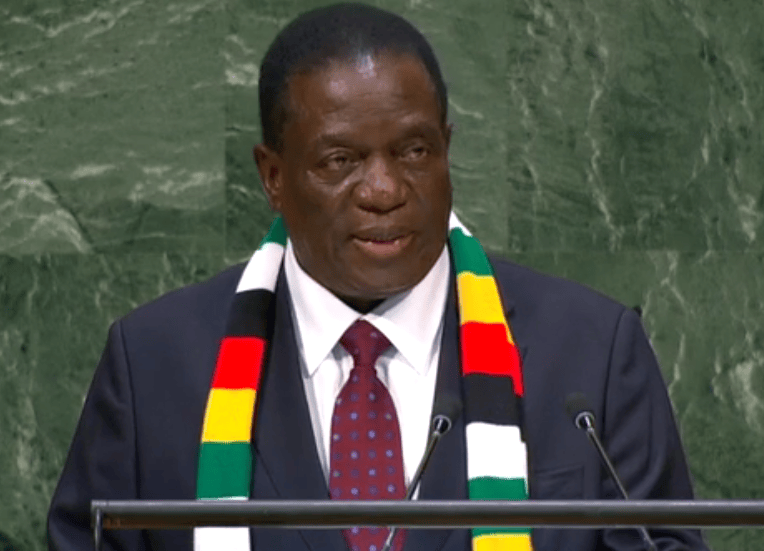
Zimbabwe President Emmerson Mnangagwa